Loading ...
Buy ammunition at our gun store in Idalou, Texas, or shop online for nationwide shipping. Rocking P Firearms is your premier destination for high-quality ammunition. We carry a wide selection of handgun ammunition, rifle ammunition, rimfire ammunition, shotgun shells, and other ammunition to meet all your shooting needs. Our inventory also features a variety of firearms, including rifles, handguns, and shotguns. Complete your setup with optics, gun parts, magazines, knives, and supplies like tripods and shooting targets.

At Rocking P Firearms, we stock ammunition for the way people really shoot in and around Idalou, Texas—practice on weeknights, hunting on weekends, matches when the schedule lines up, plus the everyday job of keeping a defensive firearm fed and dependable. We sell ammunition at our gun store in Idalou, Texas, and we ship orders nationwide, so our customers can stay consistent with the same loads across range days and field seasons.
Ammunition is the simplest purchase to make and the easiest place to get mismatched results. Caliber markings, projectile style, pressure ratings, and even case material all shape reliability and performance. Our approach stays practical—match the round to the firearm, then match the load to the job, then verify it in your own platform.
Here are the core considerations that shape ammunition choice before we break down types and use cases:
Caliber needs to match what your firearm is built to fire. A close “looks right” guess is not close enough. Our own guidance is straightforward—use the caliber marked on the firearm, and treat any mismatch as a safety issue, not a convenience decision.
Practice, competition, hunting, and personal defense place different demands on recoil, accuracy, and terminal performance. Bulk target loads help keep training steady. Purpose-built hunting loads focus on penetration and expansion. Defensive loads prioritize reliability and performance under stress.
Some handgun loads carry higher pressure ratings such as +P or +P+. These can raise velocity, recoil, and wear. We follow the same rule we share on our site—use higher-pressure ammunition only when the firearm manufacturer lists it as safe for your model.
Heat, moisture, and rough handling can degrade reliability. Dry storage, stable temperatures, and careful rotation help keep performance predictable across the shelf life of the cartridge.
Handgun ammunition sits at the center of modern shooting. It supports concealed carry, home defense, range training, and match work, plus the collection side of shooting where caliber choice often follows the firearm, not the other way around. Our handgun ammunition selection covers common defensive and range calibers, with options that fit both high-volume practice and purpose-built loads.
These are the key factors that shape handgun ammunition decisions:
Most shooters settle into one or two calibers for training cadence and availability. 9mm often anchors range volume and carry setups. .45 ACP stays popular in full-size pistols. Revolver calibers such as .38 Special and .357 Magnum remain staples for wheelguns. Our inventory reflects that mix through a range of brand and load options in the handgun category.
Range-focused loads often use full metal jacket projectiles for reliable feeding and predictable recoil. Defensive loads more often use jacketed hollow point designs. The two can print to different points of impact, so we treat testing as part of the selection process, not an afterthought. A practical routine helps: run a reliable training load for volume, then confirm your defensive choice with enough rounds to trust function.
Handgun loads vary widely by bullet weight. A lighter bullet can feel snappier; a heavier bullet can feel slower and steadier, depending on the firearm. Training gets easier when recoil stays consistent across sessions, so many shooters stick to one weight for practice that tracks close to their carry choice.
Case material affects extraction, reloading potential, and sometimes reliability. Brass remains the common standard for range and defensive ammunition. Steel case loads can be cost-effective in some contexts, but platform preference varies. We recommend checking what your firearm cycles best before committing to large quantities.
A defensive pistol needs boring consistency. We suggest a basic validation routine for any new load:
That process takes a little time, yet it saves frustration later.
Rifle ammunition decisions tend to look technical on paper, then become simple once the goal is clear. A varmint setup, a deer rifle, and a defensive carbine each ask for different bullet construction, velocity, and accuracy standards. Our rifle ammunition selection covers a broad spread of popular cartridges, with options that fit both sporting and practical rifle roles.
Here are the main components of rifle ammunition selection that matter most:
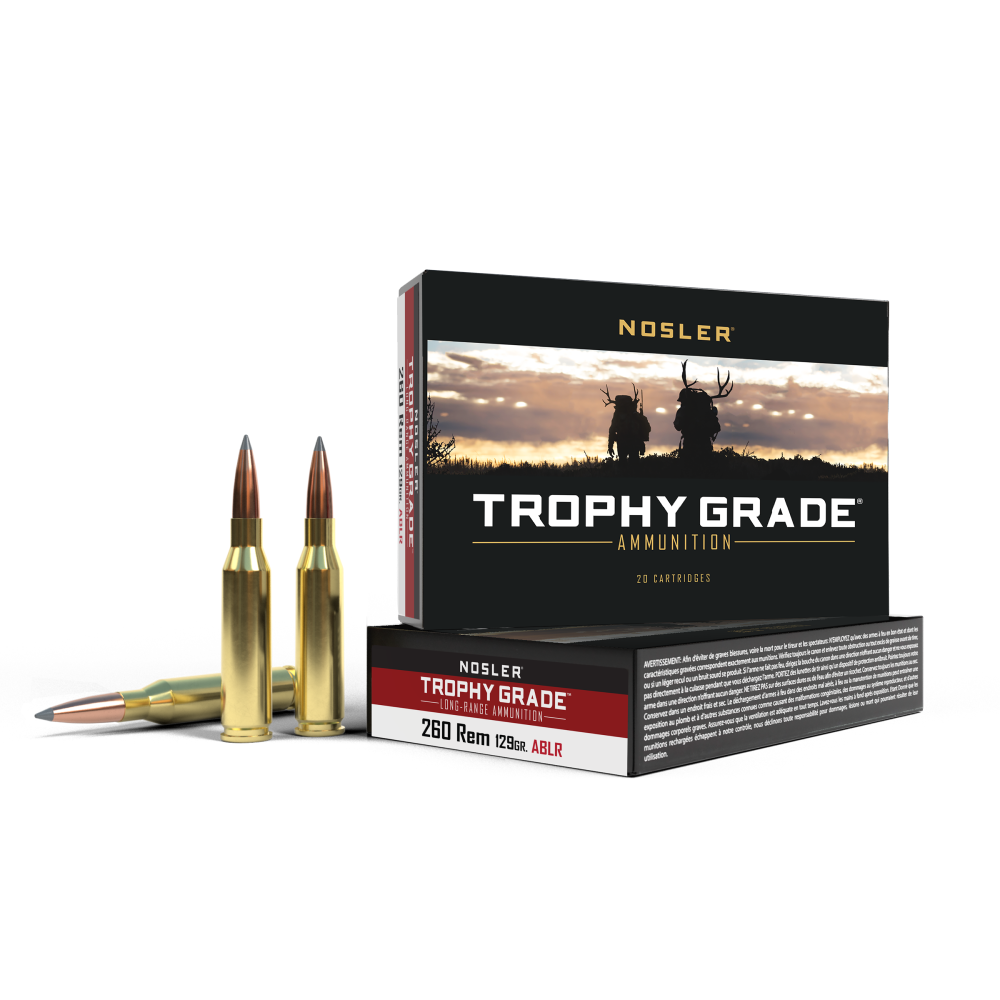
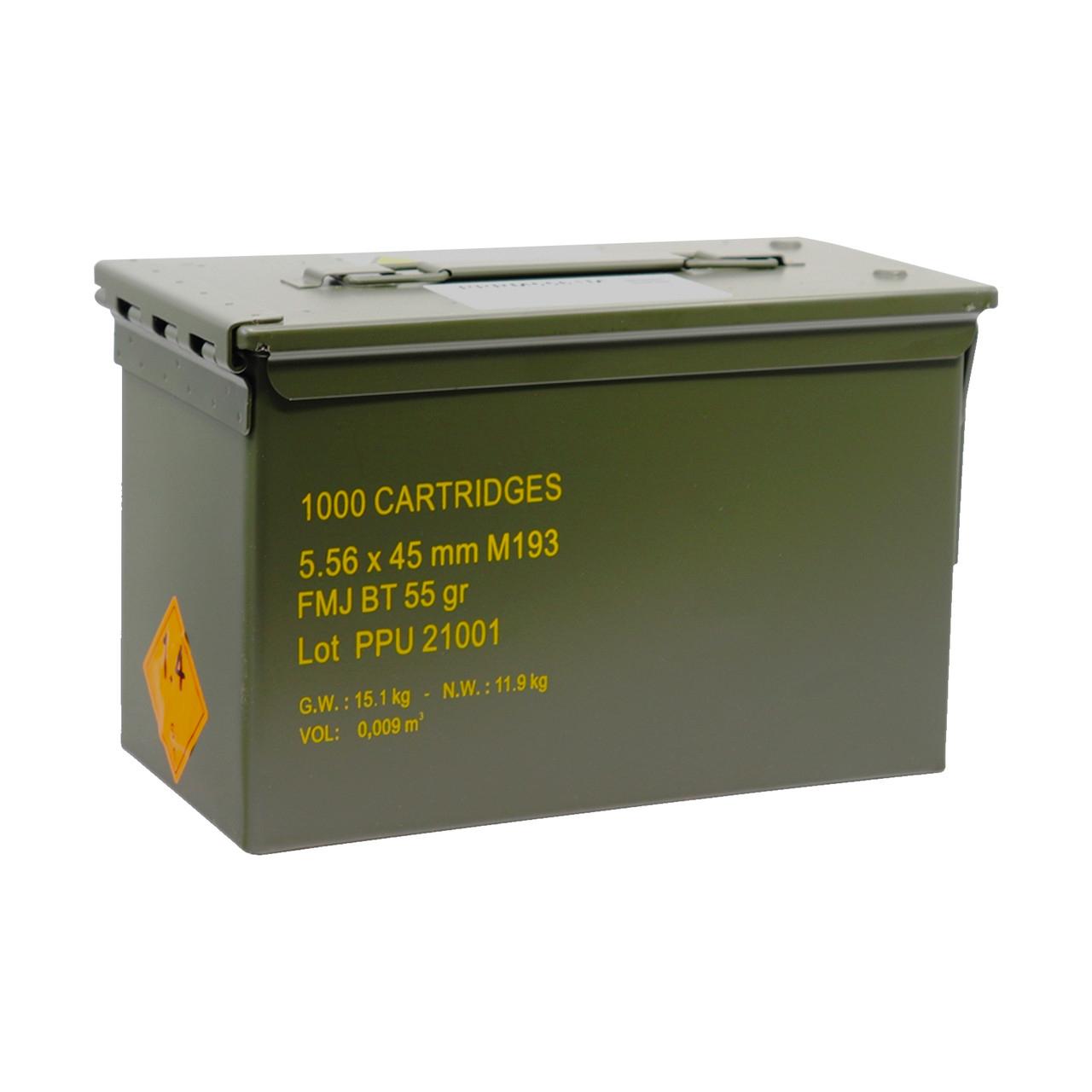
Our rifle ammunition category reflects common rifles in circulation. On our site, we call out examples such as .260 Rem, 5.56×45, 6.5 Creedmoor, and .30-30 Win. That mix supports modern sporting rifles, precision bolt guns, and classic lever actions.
Rifle shooters often chase the tightest group. That makes sense for precision work. Field use asks a different question: will the rifle place the first shot where it needs to go under realistic conditions. We look at accuracy as a system—rifle, optic, ammunition, and shooter.
Bullet construction is the quiet differentiator. Soft point and bonded designs aim to expand in game. FMJ often supports training and general range use. Specialty designs can support barrier performance or controlled expansion. Matching the bullet to the environment is the best path to reliable results.
A rifle zero means little if the next box prints two inches away. Lot-to-lot changes happen, even within the same product line. When a shooter finds a load that groups well and holds a stable point of impact, buying enough of the same lot can reduce future re-zero work.
Twist rate influences stability. Heavy-for-caliber bullets often require faster twist to stay stable. When a rifle shows inconsistent groups, twist mismatch is one of the first practical checks.
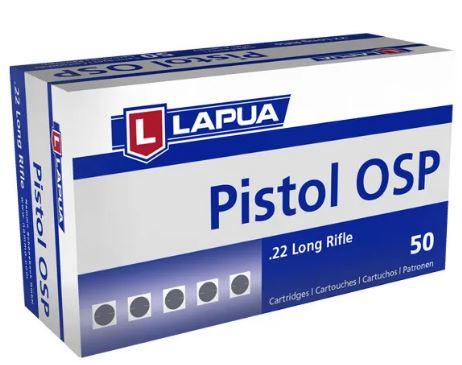
Rimfire keeps shooting approachable. It supports fundamentals, small-game hunting, steel plinking, and family range days where low recoil matters. Rimfire ammunition sits in a category of its own because ignition and reliability can vary more than centerfire, so brand choice and firearm preference matter.
The following are the rimfire factors that shape performance:
Rimfire shines when the goal is reps. Trigger press, sight tracking, and positional work become easier when recoil stays light. A rimfire handgun or rifle can support thousands of rounds of practice for the cost of a fraction of centerfire volume.
Rimfire priming varies across brands and product lines. Some firearms digest almost anything. Other platforms show clear preferences. When reliability matters, we recommend trying a few loads, then sticking with what the firearm cycles cleanly.
Plinking loads support volume and fun. Small-game loads often focus on consistent velocity and clean terminal performance. Precision rimfire asks for low variation and tight lot control. Each category has valid priorities, so the “best” rimfire load depends on the job.
Rimfire priming can be more sensitive to moisture. Dry storage in sealed containers helps reduce misfires and keeps performance steady.
Shotgun shells cover more roles than most shooters expect. A single shotgun can serve for birds, clays, predators, and home protection, with the shell doing most of the specialization work. Our shotgun shells category spans common gauges and load types, with options that fit field use and range work.
Here are the key factors that influence shotgun shell selection:
Gauge is only the start. Shell length must match the chamber. A 12 gauge firearm may be chambered for 2¾-inch, 3-inch, or 3½-inch shells. Matching the shell length to the firearm keeps cycling and pressure within design limits.
Birdshot loads dominate sporting clays, trap, skeet, and bird hunting. Shot size and velocity shape pattern density and effective range. Patterning on paper gives clearer answers than guesswork.
Buckshot loads vary by pellet size and pattern control. Some modern loads use wad technology to tighten patterns. Federal Premium buckshot with the FLITECONTROL wad system is one example discussed on a product page on our site, where tight patterns are part of the stated design intent.
Slugs turn a shotgun into a short-range big projectile platform. Accuracy depends on barrel type, sighting system, and load choice. Many shooters test several slug options to find the best match for their gun.
Patterning costs a few shells, then pays back in clear expectations. We suggest pattern checks at realistic distances for the intended use, then recording what the gun does with each load.
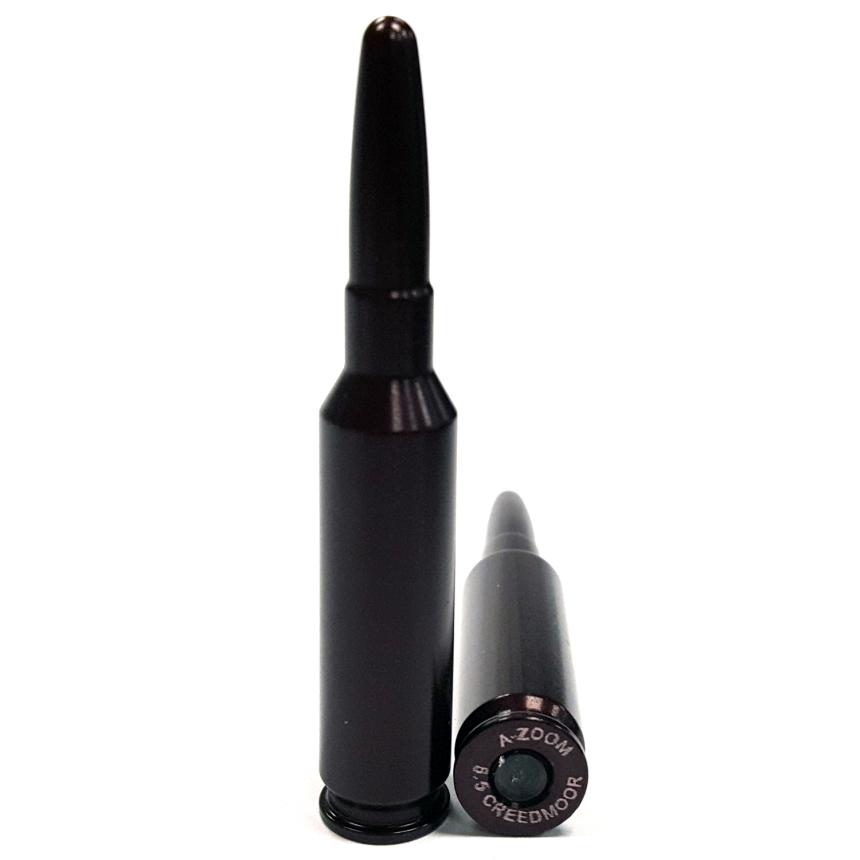
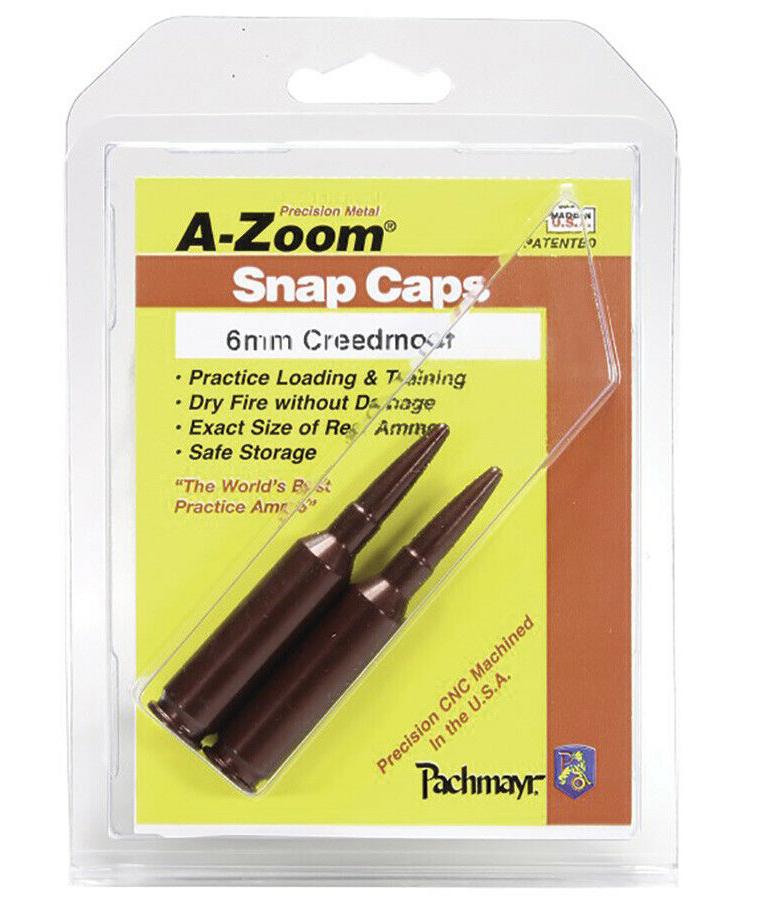
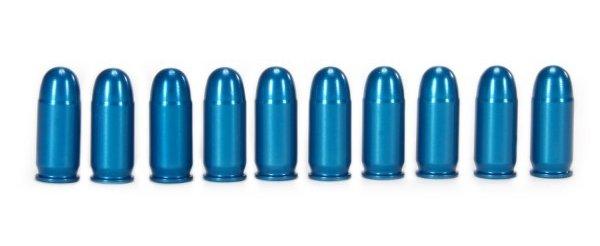
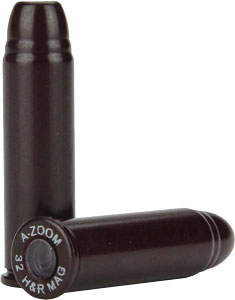
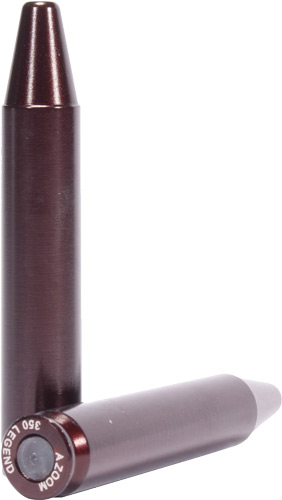
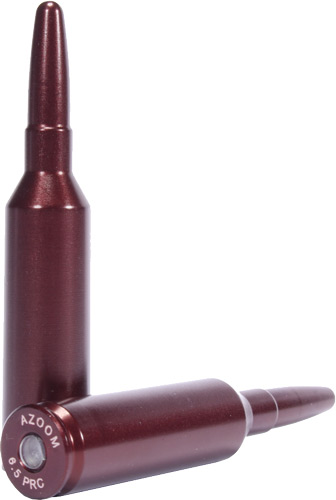
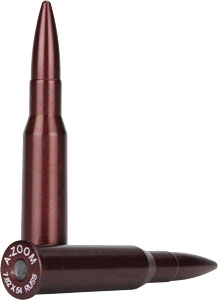
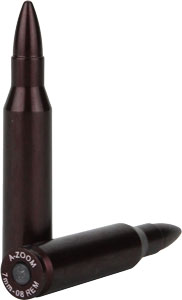
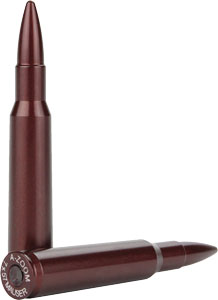
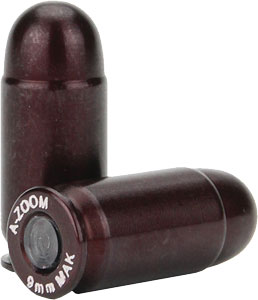
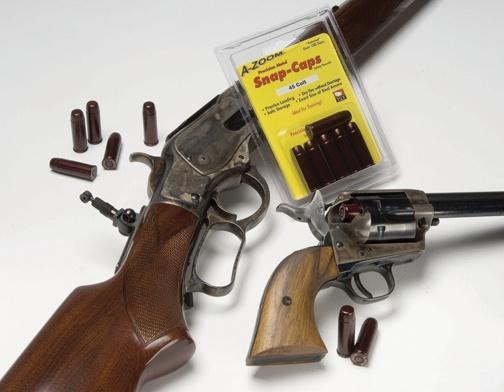
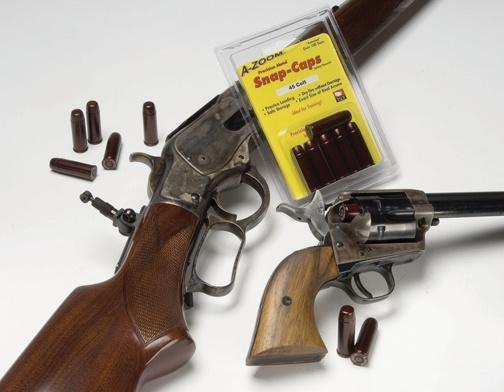
Not every ammunition need fits the big four categories. Training tools and specialty rounds still matter, especially for shooters who maintain multiple platforms or focus on skill work. Our other ammunition category includes items such as snap caps and dummy rounds, which support dry practice, function checks, and safe handling drills.
Here are the main use cases that fall into this category:
Snap caps help protect firing pins during dry fire in some firearms, and they support safe loading and cycling drills. They can also help diagnose extraction and ejection issues without live fire.
Dummy rounds support malfunction drills and magazine checks. They also help verify feeding geometry after changes to magazines, springs, or internal parts.
Some shooters run niche calibers or unusual firearm designs. Specialty ammunition support can keep those firearms active, even when mainstream options do not apply.
Ammunition works best as part of a system. Firearms, magazines, optics, and support gear all influence accuracy, speed, and reliability. Our store inventory reflects that reality, so customers can match ammunition choices with the equipment that uses it.
Here are the product areas that pair naturally with ammunition selection:
Rifle selection and ammunition choice should move together. Cartridge availability, intended distance, recoil tolerance, and optic plans all shape what makes sense. Our rifles category supports that range of needs, from practical carbines to sporting and classic rifle platforms.
Handguns cover carry, home defense, range work, and collecting. Ammunition choice should match the platform and the purpose, then earn trust through repeat performance in that firearm. Our handgun category sits alongside ammunition to keep that pairing simple.
Shotguns change character based on shells, choke choices, and sighting. A customer who shoots clays and hunts birds may keep a steady supply of birdshot, then add buckshot or slugs based on home or field needs. Our shotgun category supports that versatility.
Optics shift what ammunition testing looks like. A red dot can speed close-range work. A magnified scope can expose ammunition differences in group size. When shooters evaluate loads, an optic that matches the role makes results easier to measure and repeat.
Parts support reliability and performance, especially on high-round-count firearms. Springs, controls, and internal wear items can change how a firearm cycles with certain loads. When a platform gets tuned, ammunition testing should follow, so function stays consistent across the full setup.
Many “ammunition problems” trace back to a magazine issue. Feed lip wear, spring fatigue, and follower angle can all cause failures that look like load issues. Keeping spare magazines on hand reduces downtime and helps isolate problems during testing.
Blades sit in the same real-world kit as ammunition—range bags, hunting packs, and truck storage. We carry a broad selection of bladed tools and accessories to support that side of the shooting lifestyle.
Stable support can reveal what ammunition is capable of in a given rifle. A bipod or tripod reduces shooter wobble, which tightens groups and makes load comparisons more honest. That matters during zero work and when testing new rifle ammunition lots.
Targets set the standard for practice. Steel, paper, and specialty targets each support different skill goals. A consistent target plan makes ammunition usage more purposeful, since drills and distances stay repeatable across sessions.
Safe ammunition use starts before the first round goes into the magazine or chamber. We stick to a few principles that reduce risk and protect equipment:
Ammunition should make range time smoother and field time more predictable. When the load matches the firearm and the purpose, the rest of the shooting experience tends to fall into place.
Yes. Rocking P Firearms sells ammunition at our gun store in Idalou, Texas.
Yes. We offer online ordering with nationwide shipping.
Yes. All the ammunition we sell on our shop is affordable. We make sure all shooters and firearms enthusiasts have the stock they need to keep shooting.
Yes. We stock handgun ammunition as part of our ammunition inventory.
Yes. We carry both rifle ammunition and rimfire ammunition.
Yes. We carry shotgun shells in our ammunition selection.
Yes. Our inventory includes firearms such as rifles, handguns, and shotguns.
We carry optics, gun parts, magazines, and knives. We also offer supplies such as tripods and shooting targets.