Loading ...
Buy it in Idalou, Texas, or order for nationwide shipping. Rocking P Firearms carries a professional inventory of rifles, such as AR rifles, semi-auto rifles, and bolt-action rifles for any application. You can easily find the necessary rifle ammunition, rimfire ammunition, shotgun shells, and other ammunition to keep your guns working smoothly. Our shop also features a complete selection of handguns and shotguns. Round out your setup with optics, gun parts, magazines, knives, and supplies like tripods and shooting targets.

Rifles remain one of the most versatile firearm platforms available today. From precision target shooting to hunting, recreational range time, and historical appreciation, rifles offer accuracy, stability, and adaptability that few other firearm types can match. We work with shooters who value reliability, performance, and responsible ownership, and rifles continue to play a central role across those priorities.
Understanding how rifles function, how different action types perform, and how to select the right configuration for a given purpose helps shooters make informed decisions. Whether the goal involves long-range precision, fast follow-up shots, or simple mechanical operation, the right rifle platform supports consistency and confidence behind the trigger.
You can explore a wide range of these platforms in our general rifles category at Rocking P Firearms.
A rifle is a shoulder-fired firearm designed with a rifled barrel, meaning the interior of the barrel contains spiral grooves that spin the projectile as it travels down the bore. This spin improves accuracy and stability in flight. Rifles typically offer greater effective range and precision compared to smoothbore firearms like many shotguns.
Rifle platforms vary widely in size, action type, caliber compatibility, and intended application. Some designs prioritize speed and modularity, and others focus on simplicity and mechanical control. Recognizing these differences forms the foundation for choosing the right rifle.
These are the core elements that define rifle platforms and their performance characteristics.
Different rifle actions influence how a firearm cycles, reloads, and handles recoil. Each action type offers distinct advantages depending on how the rifle will be used.
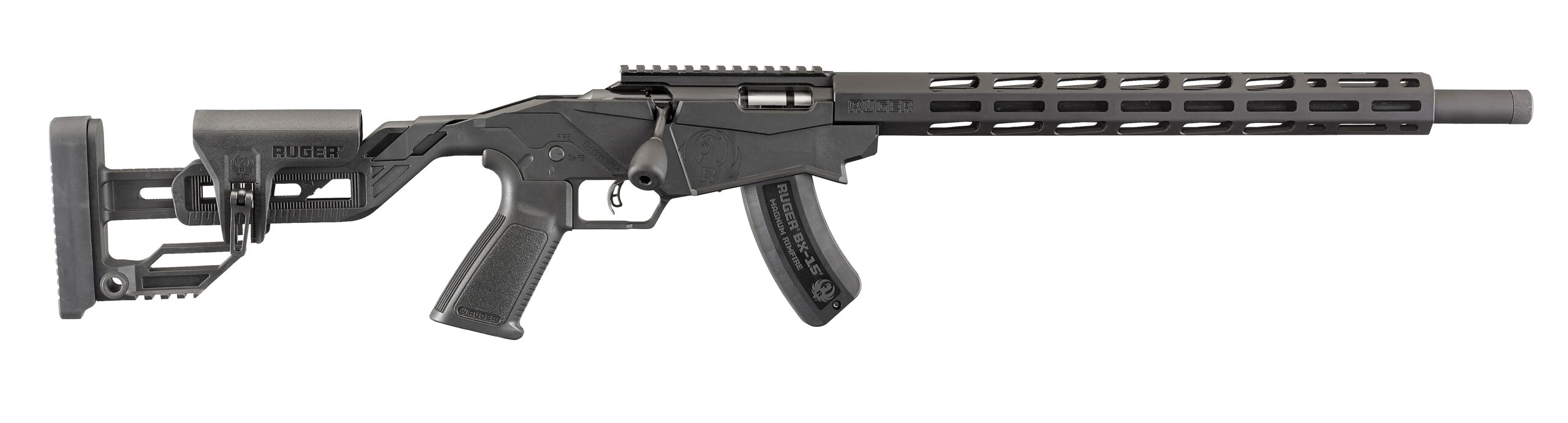
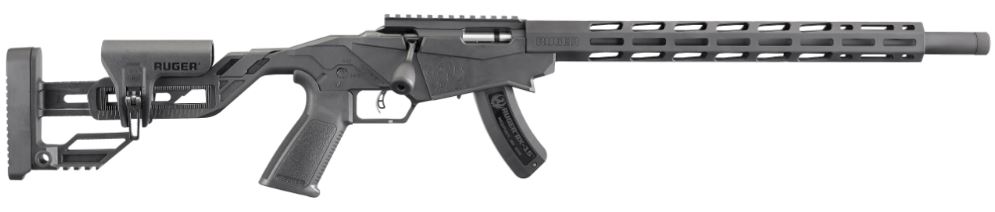
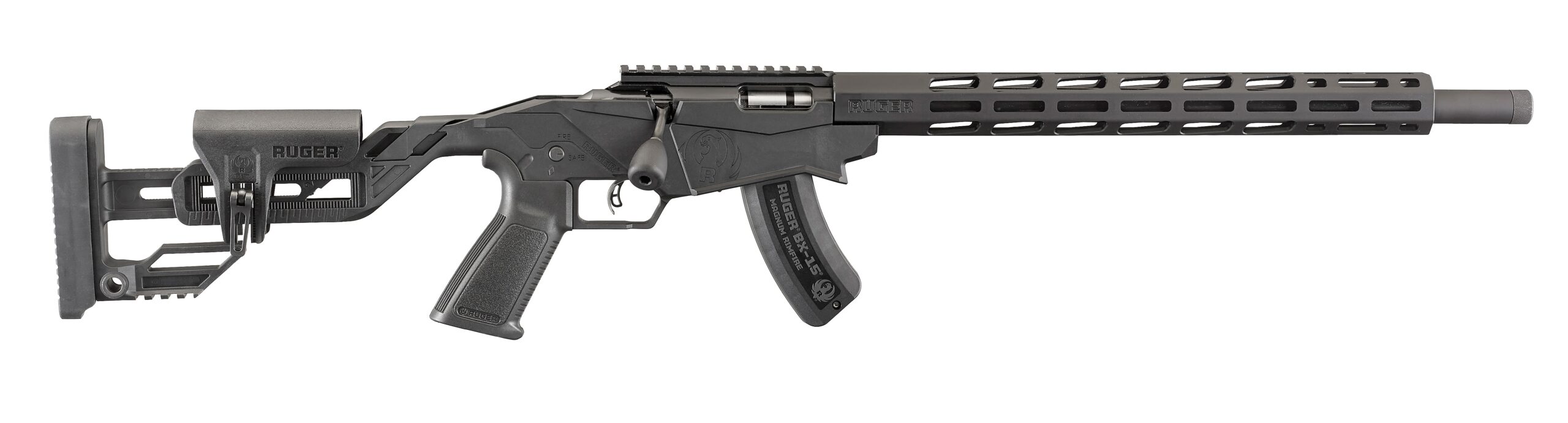
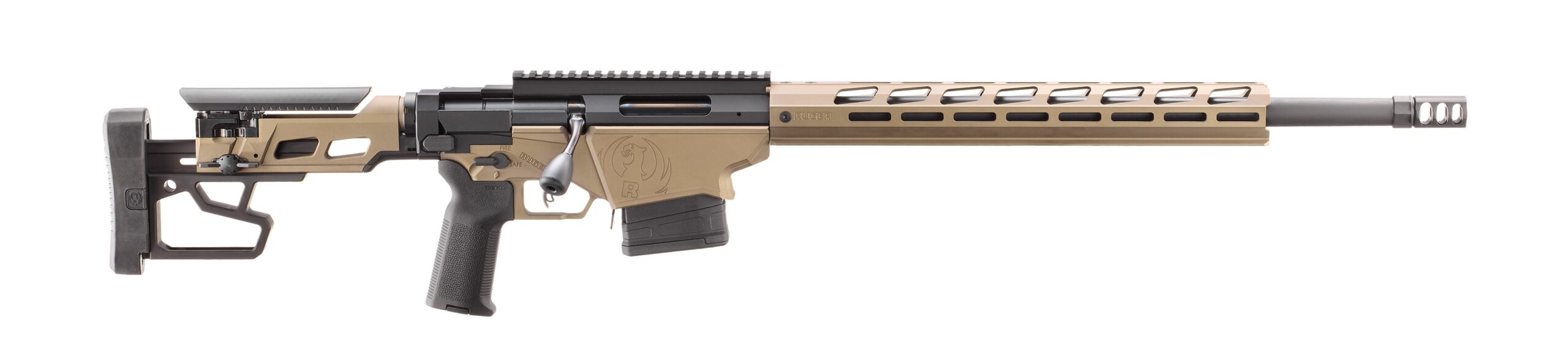
Bolt action rifles use a manually operated bolt to chamber and eject cartridges. This design is known for mechanical simplicity and exceptional accuracy. Fewer moving parts during firing help maintain consistent lockup and barrel alignment. Bolt action designs are ideal for scoped hunting, long-range competition, and precise shot placement.
You can find a variety of these in the bolt action rifles category at Rocking P Firearms.
Lever action rifles cycle cartridges through a lever located beneath the receiver. This classic design remains popular for hunting, ranch use, and historical collections. Lever actions offer quick follow-up shots while maintaining a slim profile, making them comfortable to carry through fields and forests.
Explore these traditional designs in the lever action rifles category on the site.
Pump action rifles use a sliding fore-end to chamber the next round. While less common than other actions, they provide rapid cycling without changing firing position significantly. This makes them compelling for shooters who value manual control or unique mechanics.
Examples and options can be seen in the pump action rifles section of the catalog.
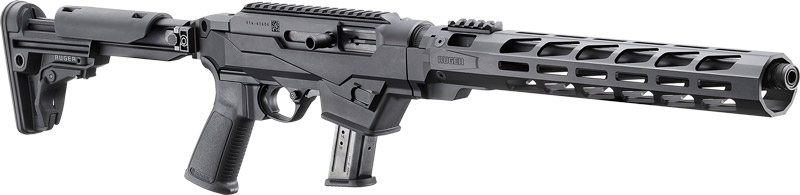
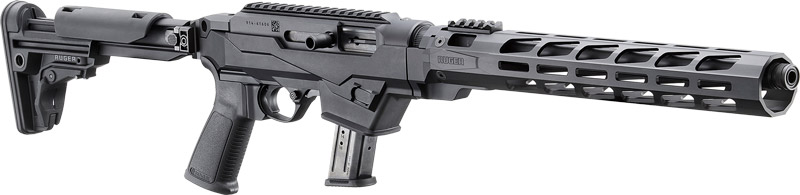
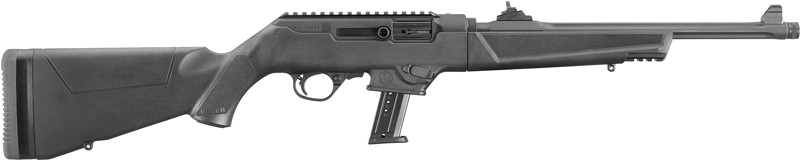
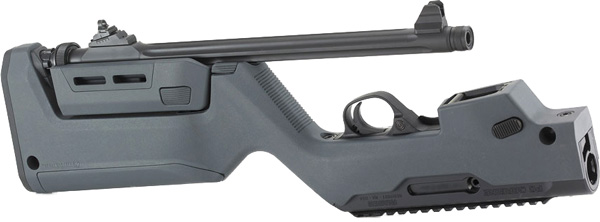
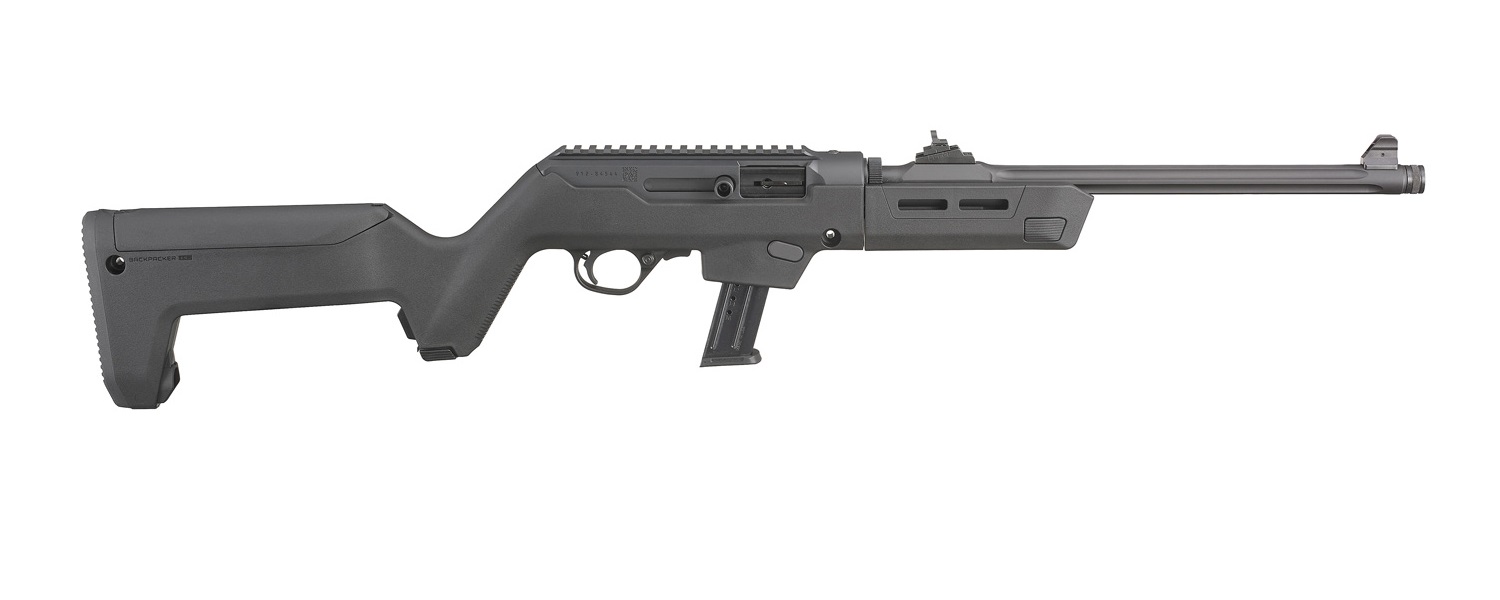
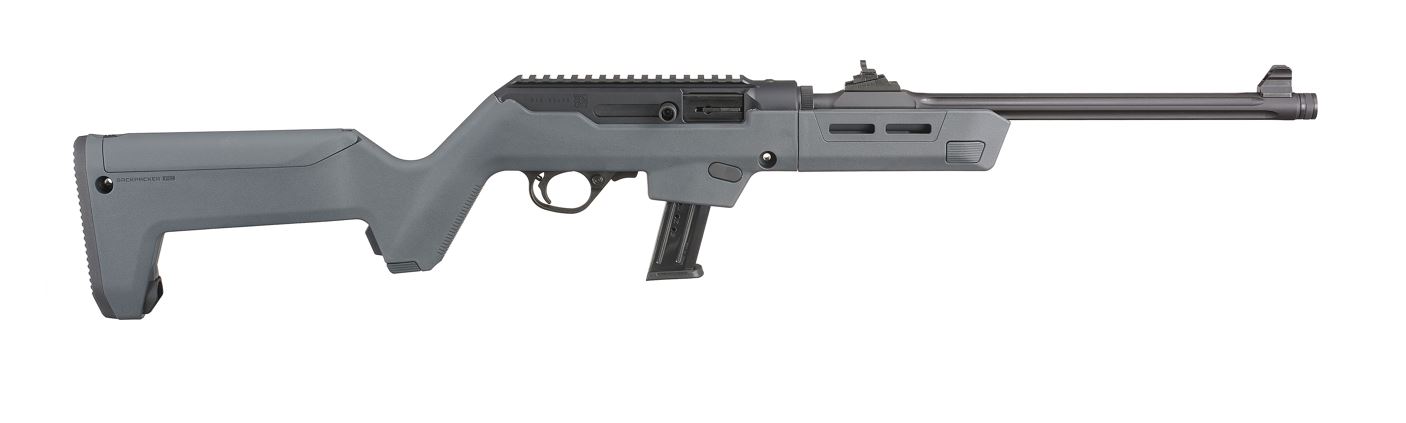
Semi auto rifles automatically chamber the next round after each trigger pull using gas, recoil, or blowback systems. These rifles allow faster follow-up shots and consistent cycling without manual manipulation. Semi autos appear in many configurations, ranging from lightweight sporting rifles to full-featured modern platforms.
You can learn more and compare various models in the semi auto rifles area at Rocking P Firearms.
Single shot rifles hold and fire one round at a time. After firing, the shooter manually reloads before the next shot. This design emphasizes discipline, precision, and deliberate shooting. Single shot rifles often serve in training environments or specialized hunting scenarios.
Variants of these can be found through the other rifles category, which includes single-shot designs.
AR rifles are modular platforms built around a standardized receiver design. These rifles allow extensive customization, including barrel length, stocks, and trigger systems. Shooters value AR platforms for ergonomics, accessory compatibility, and adaptability across applications from sport shooting to training.
Browse these designs in the dedicated AR rifles category online.
AK rifles feature a gas-piston operating system known for durability and function under adverse conditions. The platform emphasizes reliability with looser tolerances that help keep the action running reliably in harsh environments. Intermediate cartridges and rugged construction make these rifles appealing to shooters who prioritize mechanical resilience and simplicity.
Beyond traditional categories, our other rifles include specialty, historical, and experimental platforms. These rifles may combine unconventional actions, proprietary calibers, or unique ergonomics. Collectors and enthusiasts often seek these designs for educational value or mechanical curiosity.
Caliber selection plays a major role in recoil, range, cost, and terminal performance. Rifle calibers fall into two primary groups.
Rimfire ammunition use a priming compound located around the rim of the case. These rounds are commonly used for training, plinking, and small-game hunting due to low recoil and affordability.
Centerfire cartridges place the primer at the center of the case base. These rounds deliver higher velocities and energy, making them suitable for hunting larger game and longer-range shooting.
Choosing the correct caliber depends on intended use, shooter experience, and firearm compatibility. Always verify the caliber marked on the rifle barrel before loading ammunition.
Understanding rifle components helps shooters evaluate quality, performance, and suitability.
Barrel length and rifling twist rate influence velocity and bullet stabilization. Longer barrels often provide higher velocity, while twist rate determines which bullet weights stabilize correctly.
Rifle stocks affect comfort, balance, and shooting posture. Materials range from traditional wood to modern synthetic and chassis systems. Adjustable stocks allow shooters to tailor fit for length of pull and cheek height.
Trigger quality impacts accuracy and control. A consistent, predictable trigger pull supports better shot placement. Many rifles allow trigger upgrades or adjustments within manufacturer guidelines.
Some rifles feature iron sights, while others are optics-ready. Mounting options vary, and compatibility depends on receiver design. Optics selection should align with shooting distance and environment.
Magazine design influences capacity and reload speed. Detachable magazines allow quicker reloading, while internal magazines support streamlined profiles. Feeding reliability depends on proper magazine fit and ammunition choice.
Selecting a rifle starts with understanding how it will be used. A clear purpose helps narrow the action type, caliber, weight, and sighting setup that fit your needs, rather than chasing features that sound appealing but add little value.
For hunting, terrain, game size, season dates, and local legal requirements should shape the choice. A lighter bolt action or lever action rifle can carry well over long distances, and it can feel steady from field positions. Caliber choice should match ethical shot placement and typical distances in your area. Weather resistance matters too, since rain, dust, and temperature swings can affect performance and comfort.
Range shooting and training often reward affordability and ease of use. Semi auto and rimfire rifles support higher round counts with manageable recoil, which helps build fundamentals like trigger control, sight alignment, and follow-through. A reliable optic or solid iron sights can support consistent practice, and a sling or stable rest can improve repeatability.
Competition places a premium on consistency. Platform reliability, trigger quality, recoil control, and optics compatibility all matter, along with rules that govern gear and configuration. Collectors often weigh history, craftsmanship, rarity, and mechanical design, then factor in condition and originality. A short list of priorities keeps the decision process focused and supports long-term satisfaction.
Responsible rifle ownership begins with safety awareness. Treat every firearm as loaded, keep the muzzle pointed in a safe direction, and maintain trigger discipline. Proper storage prevents unauthorized access. Locked safes, cable locks, and separate ammunition storage reduce risk. Training and education reinforce safe handling habits across all experience levels.
Routine inspection and cleaning preserve function and extend service life. Follow manufacturer recommendations for maintenance intervals and lubrication.
Rifle accessories enhance comfort, consistency, and capability.
Optics improve target identification and accuracy at distance. Bipods and tripods stabilize the rifle during supported shooting positions. Magazines and gun parts support sustained range sessions. Shooting targets, maintenance tools, and protective gear complete a responsible shooting setup. Accessories should match the rifle’s intended purpose without adding unnecessary complexity.
Rifles offer precision, adaptability, and mechanical variety unmatched by other firearm categories. Their continued popularity reflects a balance of tradition and innovation across generations of shooters. From bolt action precision designs to modular AR platforms, rifles evolve alongside technology while maintaining foundational principles of accuracy and control.
Understanding rifle systems helps shooters make informed, responsible choices that align with their goals.
Bolt action rifles require manual cycling between shots and often deliver higher precision. Semi auto rifles automatically chamber the next round, allowing faster follow-up shots. Bolt actions tend to run cleaner and stay consistent across long shot strings. Semi autos can be easier for new shooters to keep on target during practice, since the shooting rhythm stays steady.
Yes. Rifles generally offer greater accuracy than handguns due to longer barrels, shoulder support, and rifled stabilization, especially at extended distances. A longer sight radius or a properly mounted optic can tighten groups even more. Trigger control still matters, so training makes a big difference either way.
Many new shooters start with rimfire calibers such as .22 LR due to low recoil, affordability, and ease of control. It allows high-volume practice without fatigue, which helps build good habits. Once fundamentals are solid, many people move to light-recoiling centerfire options based on their goals.
Cleaning frequency depends on usage, but most rifles benefit from cleaning after each range session or every few hundred rounds. Dust, moisture, and suppressed use can shorten the interval. A quick inspection of the bore, chamber, and bolt area can prevent most reliability issues.
Some rifles serve both purposes effectively, depending on caliber and configuration. Barrel profile, optics setup, and local regulations should guide use. A hunting rifle often favors lighter weight, which can feel less stable from a bench. A range setup may use heavier barrels and accessories that are less convenient to carry in the field.
Yes. Civilian AR and AK rifles operate in semi auto mode, firing one round per trigger pull. The biggest differences usually come down to operating system, controls, and aftermarket support. Local laws can affect features and configurations, so it pays to check rules where you live.
Many modern lever action rifles support optic mounting through top rails or side mounts, depending on design. Some older top-eject models may need specialized mounts or scout-style setups. Eye relief and ring height matter, so proper mounting helps maintain a consistent cheek weld.
Always confirm the rifle is unloaded, inspect the barrel for obstructions, verify ammunition caliber, and ensure the action functions correctly. Check that the optic or sights are secure and that screws are properly tightened. Confirm the safety works as intended and that the muzzle is pointed in a safe direction at all times.