Loading ...
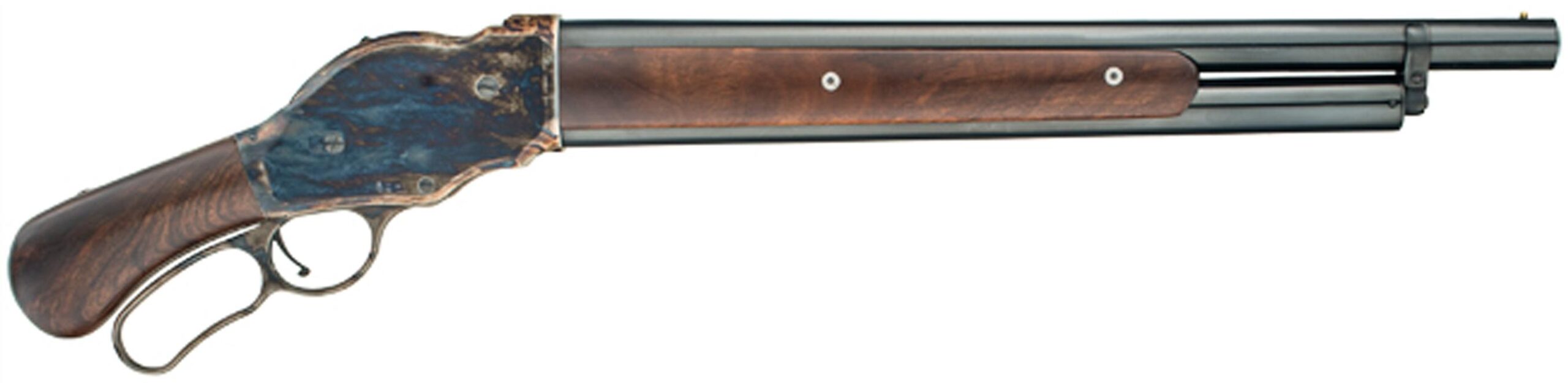
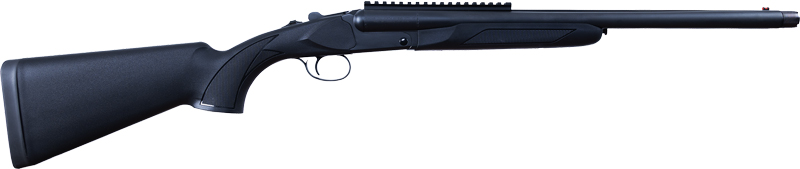
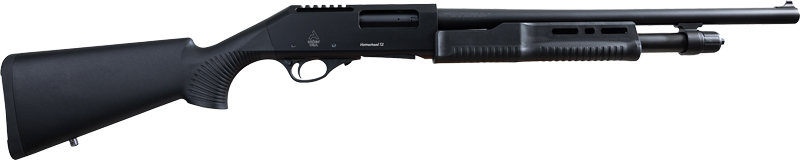
Shop shotguns at our gun store in Idalou, Texas, or buy online with nationwide shipping. Rocking P Firearms features a robust selection of shotguns including the 1887 12ga mares leg, the Akkar 206 clubman, the Winchester SXP shadow defender, and the American Tactical Inc bull-dog. To support your platform, we carry a full stock of shotgun shells for all the rounds you need. You can also explore our shop for rifles, handguns, and other ammunition such as dummy rounds and snap caps.

Shotguns earn their spot in a gun safe for one simple reason. They adapt. A single platform can cover a range day, a bird hunt, a ranch truck, and a home setup without forcing us into a narrow role. Visit Rocking P Firearms gun shop in Idalou, Texas, or shop online for nationwide shipping to get your shotguns today.
We stock everything from classic formats to modern defensive builds, including standouts like the 1887 12ga mares leg and the Akkar 206 clubman. Those models show how wide the shotgun category can be, from traditional handling to compact, purpose-driven designs.
Here are the core shotgun types we carry and how we think about each one.
Pump guns remain a staple for good reason. They run on simple, direct mechanics, and they handle a wide variety of loads when matched to the chamber. The manual cycle keeps us in control of timing and pace, which suits training, field use, and defensive roles.
A pump shotgun often becomes the “do most things” choice. It can serve as a first shotgun for new owners and still stay relevant years later. A shorter barrel can keep handling quick indoors, and a longer tube and longer barrel can suit hunting setups. The best pump option comes down to fit, controls, and how cleanly the action runs under stress.
Semi-auto shotguns appeal to shooters who want speed and smoother recoil feel. The action uses the gun’s energy to cycle, which can take some bite out of heavier loads and keep follow-up shots steady. That matters during long range sessions and also during high-volume clay days.
Load matching counts with semi-autos. Lighter target shells can behave differently across gas and inertia systems, and we treat reliability testing as part of the setup, not a bonus step. Once the right shell is paired to the gun, a semi-auto becomes a fast, comfortable platform that stays enjoyable to shoot.
An over-under fits shooters who value balance, clean handling, and predictable performance. Two barrels give us quick second-shot choice, and the break action keeps the manual of arms straightforward. Many clay shooters like the repeatable feel, and many upland hunters appreciate how naturally a well-balanced double points.
Choke choices often drive the over-under conversation. With two barrels, we can set one choke for a nearer target and the other for a longer shot. That flexibility can matter for mixed upland conditions and varied clay presentations.
Side-by-sides carry a classic profile that still works. The wide sight plane can feel different from an over-under, and some shooters find the pointability intuitive. A side-by-side also matches the needs of hunters who want a traditional feel without giving up practical performance.
For buyers who care about heritage and handling, a side-by-side can be the right long-term choice. Fit still decides comfort, so we focus on stock dimensions and how the gun mounts to the shoulder and cheek.
Lever action shotguns bring a different kind of appeal. They blend a familiar, old-school operating style with modern smoothbore power. Some shooters like the rhythm of the lever cycle and the way these guns stand out at the range.
The 1887 12ga mares leg style fits this category’s spirit, with a compact layout that draws attention. With any shorter configuration, we focus on safe handling, practical control, and compliance with applicable laws based on where the shotgun will be used or transported.
Bolt action shotguns sit in a niche, yet they fill it well. They can suit certain hunting roles and can appeal to shooters who like the deliberate pace of a bolt gun. Some owners prefer the mechanical simplicity and the clear cycle sequence.
Buyers usually look at bolt action shotguns with a specific plan in mind. We treat them as a specialty pick, not a default, and we match the choice to a clear use case.
Single shots deliver the cleanest version of the shotgun concept. One shell, one shot, one repeatable routine. They work well for training fundamentals, small-game hunting, and buyers who want a lightweight tool with minimal complexity.
A single shot can teach discipline fast. It can also serve as a practical field gun that stays easy to maintain, easy to store, and simple to operate.
A shotgun choice gets easier once we separate what looks cool from what actually fits our shoulder and our use. Gauge and chamber length shape recoil, shell availability, and pattern behaviour. Most owners end up with a 12 gauge or 20 gauge, then refine from there.
We treat recoil as a comfort and consistency factor. A shotgun that hurts to shoot will not see enough range time, and skill is built through repetition. Stock fit, gun weight, and shell choice all shape how recoil feels in practice.
Here are the main variables we use to narrow gauge and chamber decisions.
Twelve gauge remains the most common option for many roles, from clays to waterfowl to defensive setups. Shell availability is usually strong, and load variety gives us a lot of room to tune recoil and performance. A light target load feels very different from a heavy hunting load, even within the same gauge.
Twenty gauge can be a strong fit for shooters who want reduced recoil without giving up a workable pattern. Upland hunters often like the lighter carry weight, and many clay shooters appreciate the comfort across long sessions. Shell choice still matters, and patterning remains part of doing it right.
Chamber marking tells us what the shotgun can accept. That does not mean every shell is the best match for the role, yet it does define safe compatibility. We always advise checking the barrel marking and matching shells to that marking, every time.
Patterning shows what a shotgun and a specific shell actually do together. It removes guesswork and exposes differences in spread, density, and point of impact. A short patterning session can prevent months of frustration.
A shotgun can be configured for many roles, yet each role pushes the priorities in a different direction. A home-defense shotgun needs fast handling and clear sight reference. A bird gun needs swing and balance. A clay gun needs repeatable fit and recoil control.
The following are the most common shotgun uses we see and what tends to matter most for each.
Handling and simplicity rise to the top in a home role. A shorter overall length can make movement easier, and a sight setup we can read quickly matters in low light. Recoil control still counts, since follow-up shots depend on keeping the gun on target.
We keep the conversation grounded. The right choice depends on the home layout, the shooter’s experience, and safe storage that prevents unauthorised access.
Upland setups reward balance. A gun that mounts naturally and swings smoothly tends to produce better hits than a heavier, awkward option. Weight matters during long walks, and a comfortable stock fit keeps shots consistent as fatigue sets in.
Waterfowl loads can be heavier, and the environment can be harsh. A finish that resists wear, a design that stays reliable with wet hands, and shells that pattern well at longer ranges all matter. Fit still remains the foundation.
Turkey hunting becomes a pattern exercise. Choke selection, shell choice, and a clear aiming reference all play a part. A steady rest and a repeatable cheek weld can matter as much as any accessory.
Clays test consistency. A gun that fits will show it in the scorecard. Recoil control, smooth cycling, and a predictable mount help shooters stay locked in across a long session. For many owners, clay practice becomes the path to better field shooting, too.
A shotgun without the right shell is just a well-shaped piece of steel and polymer. Shotshell selection determines pattern density, recoil feel, and terminal effect, so we treat ammunition choice as part of the shotgun decision, not a separate errand.
Shell choice starts with role. Birdshot suits clays and many bird hunts. Buckshot fits certain defensive and hunting roles. Slugs turn a shotgun into a short-range precision tool, yet they demand more attention to sights and technique.
These are the main shell types we keep in mind when pairing ammunition to a shotgun.
Birdshot is built for multiple smaller pellets and controlled spread. Shot size and velocity should match the target and expected distance. For practice, lighter target loads can keep recoil manageable and keep range time enjoyable.
Buckshot uses larger pellets and tends to hold more energy downrange. Pattern behaviour can vary widely across loads and chokes, so we recommend testing a chosen load on paper at realistic distances. That step reveals spread and point of impact.
Slugs offer a single large projectile and can deliver impressive performance within practical ranges. Accuracy depends on the shotgun, barrel type, sights, and the slug design. We keep the conversation simple and focus on what the owner plans to do with the gun.
Shotshells hold up best when kept dry and cool. Damaged hulls and exposed moisture can lead to misfires and unreliable cycling. Clear storage habits reduce mix-ups and keep inventory ready.
Training tools matter, and inert rounds make practice safer and more productive. Dummy rounds and snap caps support loading drills, function checks, and safe handling routines that do not involve live ammunition.
We see a lot of value in structured practice at home, done responsibly, with the firearm cleared and verified. Inert rounds can help build confidence in loading, unloading, and cycling without introducing live-fire risk into the process.
Here are the main ways we see inert rounds used.
Snap caps can support dry practice routines that include trigger press and cycling without the wear that can come from repeated dry firing in certain firearms. Manufacturer guidance still matters, so we recommend checking what the maker says for each model.
Dummy rounds can help confirm feeding, extraction, and ejection in a controlled way. They can also support safe training routines that build comfort with the manual of arms.
Dry practice, done safely, can build consistency in mount, cheek weld, and controls. Inert rounds give structure to that time, especially for new owners building habits.
Many shotgun owners also keep a rifle for roles where range and precision take priority. A rifle can cover longer distances with more predictable trajectory, and that complements what a shotgun does best up close and at moderate range.
We view shotgun and rifle ownership as a practical pairing, not an either-or choice. The right tool depends on the job, the environment, and the shooter’s comfort level.
These are the common reasons owners add rifles alongside a shotgun.
Rifles support tighter groups at longer ranges. That matters for hunting at distance, property work, and structured range practice.
Rifle cartridges come in a wide range of performance levels. That variety lets owners match recoil and energy to the role.
Good fundamentals transfer. Trigger control, stance, and sight discipline matter across platforms. Many owners build skill on one type and apply it to the other.
Handguns fill a different lane, with portability and quick access shaping their role. Many households keep a shotgun for primary defence and a handgun for carry or bedside use, based on lawful possession and personal needs.
We approach handgun ownership with the same baseline. Fit matters, reliability matters, and safe storage matters. A handgun should be chosen with clear intent and honest assessment of experience.
Here are the main reasons shotgun owners add a handgun.
Handguns can be carried where lawful and where appropriate. That portability drives the category’s appeal.
Handguns demand consistent practice, and range time builds familiarity with recoil and controls. A stable routine tends to beat occasional high-volume shooting.
Some owners prefer multiple options based on different situations. A handgun can serve one role, and a shotgun can serve another, with storage and access planned responsibly.
Rocking P Firearms is based in Idalou, Texas, so customers can shop shotguns at our local store. Online purchasing is available too for customers outside the area.
Yes. We sell shotguns online and ship nationwide.
Our shotgun selection includes examples like the 1887 12ga mares leg, the Akkar 206 Clubman, the Winchester SXP Shadow Defender, and the American Tactical Inc Bull-Dog. These listings show the mix of styles we carry within the shotgun category.
Yes. We carry shotgun shells to keep your platform supplied with the rounds you need.
Yes. We carry rifles in addition to shotguns.
Yes. Handguns are part of our firearms inventory alongside shotguns.
Yes. We carry other ammunition options that include dummy rounds and snap caps.
Yes. We stock shotgun shells and we carry other ammunition items like dummy rounds and snap caps.