Loading ...
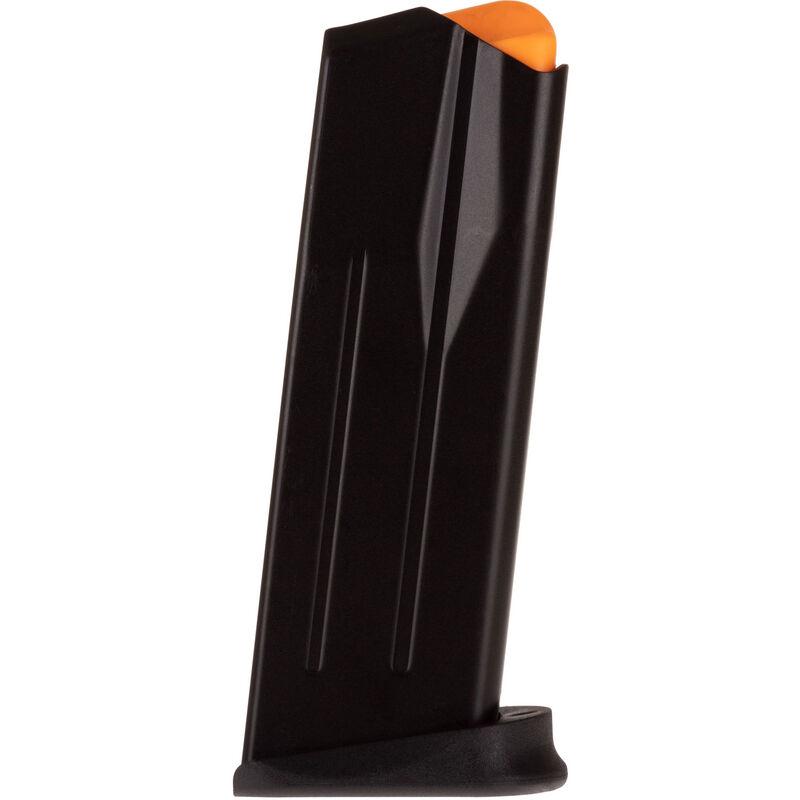
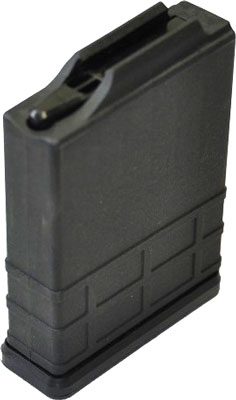
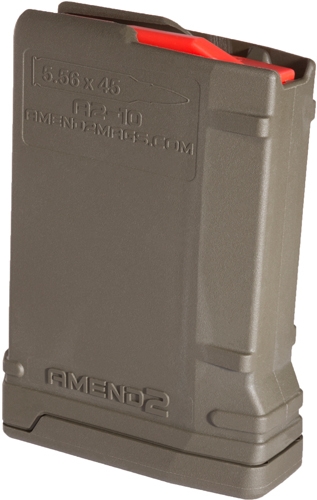
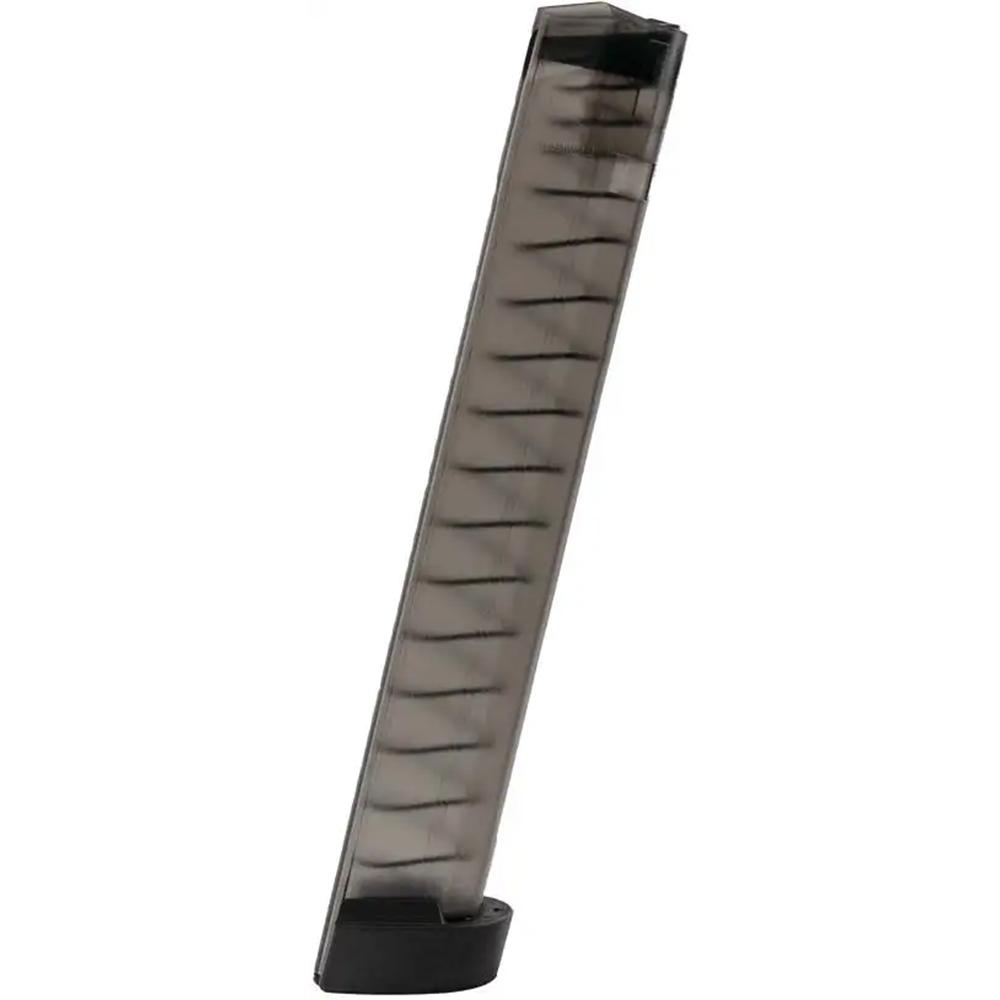
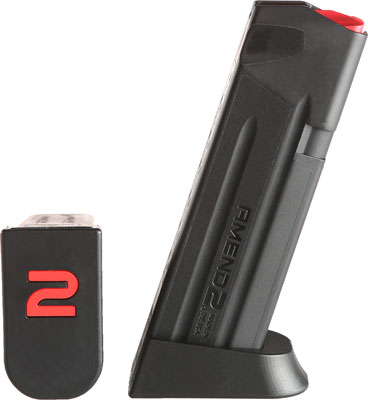
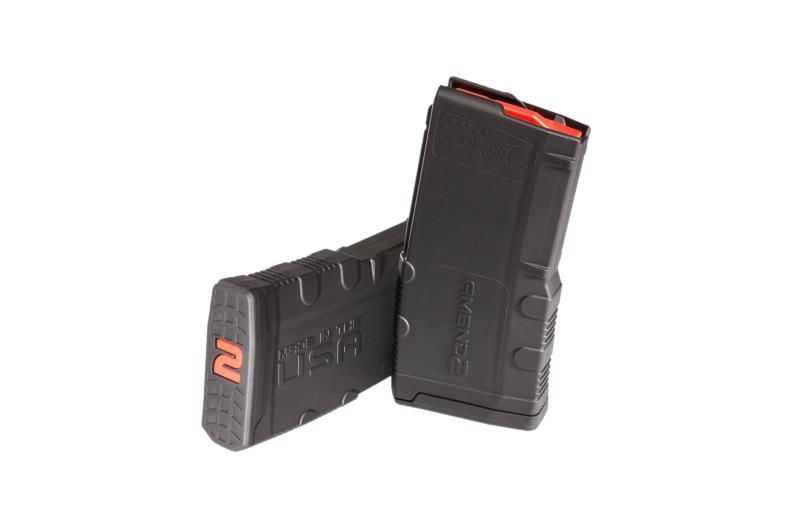
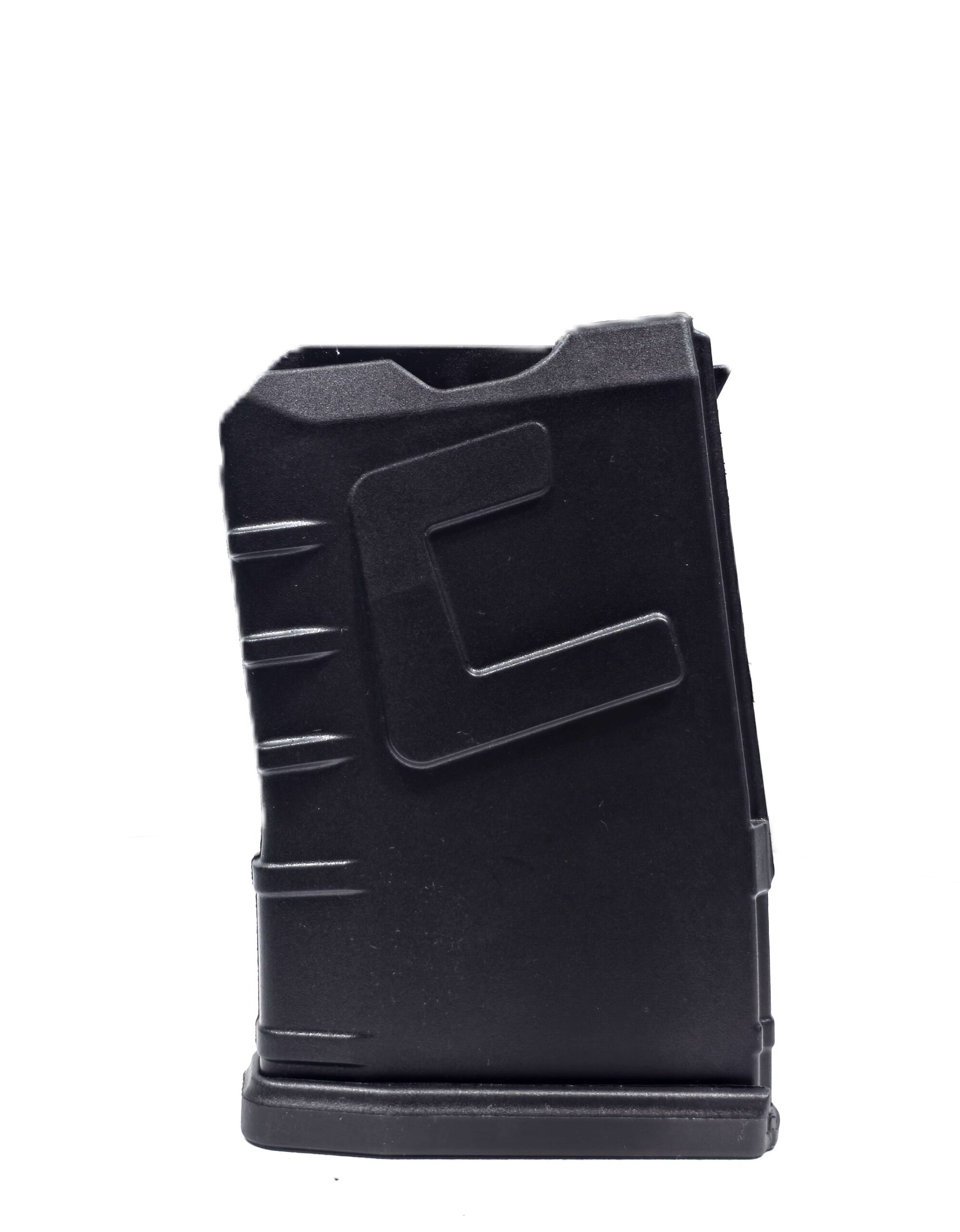
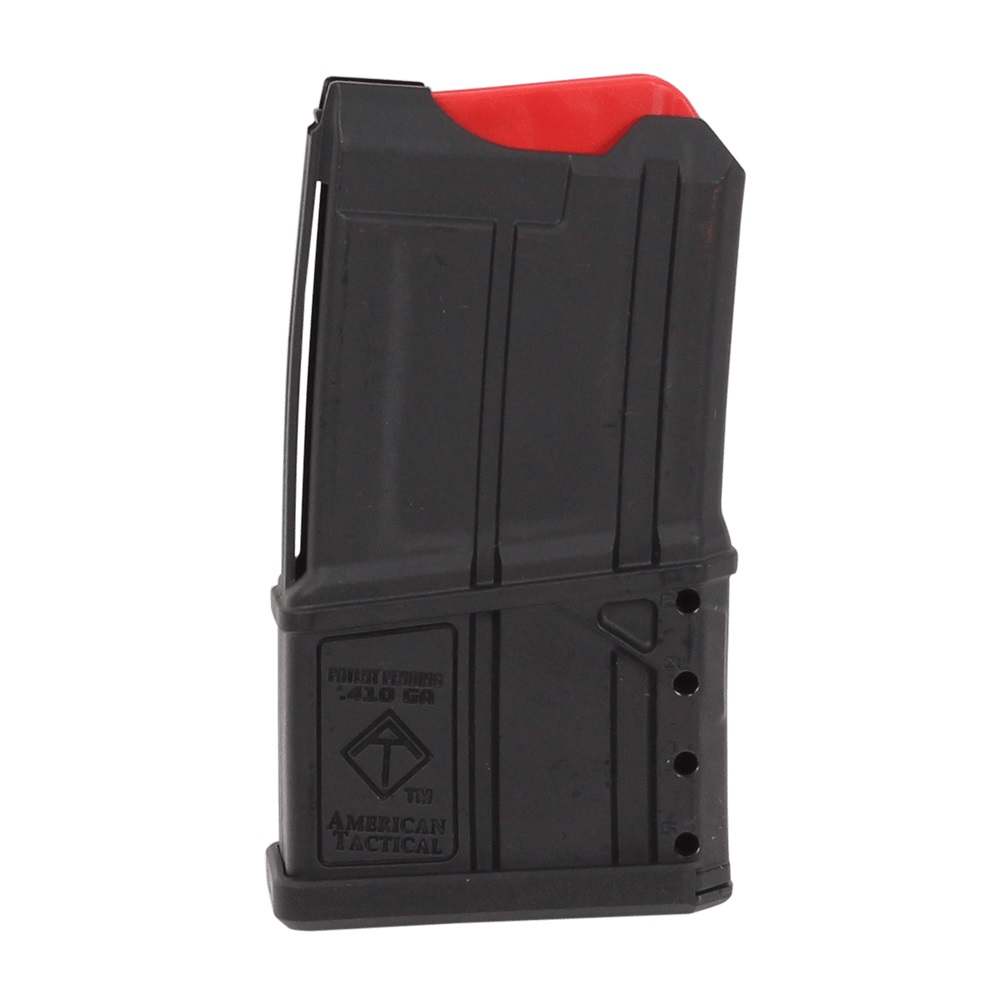
Pick up magazines at our gun store in Idalou, Texas, or shop online with nationwide shipping. Rocking P Firearms carries reliable magazines such as the 11round .40 S&W magazine, the AB Arms magazine, the Amend2 AR-15 magazine, and the Amend2 Glock handgun magazine. We ensure your firearms are ready with a full stock of handgun ammunition, rifle ammunition, rimfire ammunition, shotgun shells, and other ammunition. Our shop also features a diverse selection of rifles, handguns, shotguns, and optics to suit any shooter’s needs.

Rocking P Firearms keeps the best magazines for your firearms, no matter if you’re looking to do range time, training, or hunting. We keep choices on hand for common platforms and niche builds alike, with options available for pickup in our Idalou, Texas gun store and by shopping online and getting nationwide shipping.
A dependable magazine does one job well. It feeds cartridges with consistency so the firearm cycles the same way every time.
These are the main components of magazine selection.
A magazine controls the pace of a firearm more than most shooters expect. Feed geometry, spring tension, and follower travel each influence how a round presents to the chamber. When any of those elements drift out of spec, malfunctions tend to show up as failures to feed, bolt-over-base issues, or inconsistent lockback. Reliability starts with fit. The right body shape and catch cutout let the magazine seat without forcing it, then stay locked through recoil.
Capacity decisions sit near the top of the list for many buyers, yet capacity alone does not define performance. A well-made lower-capacity mag can outlast a bargain high-capacity option if materials, welds, and feed lips hold their shape. Our shelves cover practical standbys plus model-specific choices such as an 11-round .40 S&W magazine, along with widely used options from AB Arms and Amend2 for rifles and pistols.
A magazine body sets the foundation. Dimensions control insertion, retention, and how the stack sits under the bolt or slide. Feed lips guide the top round at the point of release, so their shape matters more than cosmetic finish. Springs drive every cycle, then followers keep the stack aligned so rounds rise without binding. Baseplates add structure at the bottom and help with maintenance access.
Compatibility depends on details that seem minor until they stop a gun mid-string. Catch notch placement, front-to-back length, and internal ribs vary across models that look similar at a glance. Even within a single family of firearms, generations and submodels may not share the same magazine pattern. Our approach stays simple. We match the magazine to the firearm model and the cartridge, then we confirm the intended use so you leave with a setup that behaves the way you expect.
Steel and polymer each bring advantages. Metal bodies resist heat and impact well, with a long track record in duty use. Polymer mags can cut weight, resist corrosion, and offer consistent molding when quality control stays tight. Construction quality still matters most, regardless of material. Seam integrity, feed lip reinforcement, and baseplate retention all influence service life.
Wear shows up over time in predictable places. Feed lips spread, springs lose tension, and followers pick up debris that slows travel. For many shooters, the best value comes from buying reliable magazines in sensible quantities, then maintaining them like any other consumable part. That mindset reduces downtime and builds confidence every time the firearm comes out of the case.
Platform differences drive magazine selection more than brand names do. A pistol mag seats, feeds, and drops free in ways that do not map to a rifle. AK-pattern magazines follow their own rules, from locking geometry to curvature. Shotgun magazines add another layer, with shell length and feed angle shaping performance.
Here are the key factors that influence platform fit.
Handgun mags need consistent lockup, smooth follower travel, and dependable slide-lock performance. Small variations in baseplate height can affect concealment comfort, and follower design can influence how a pistol behaves near empty. Many shooters keep spares set aside for training and reserve a few that stay in top condition for carry. That split reduces wear on the mags that matter most.
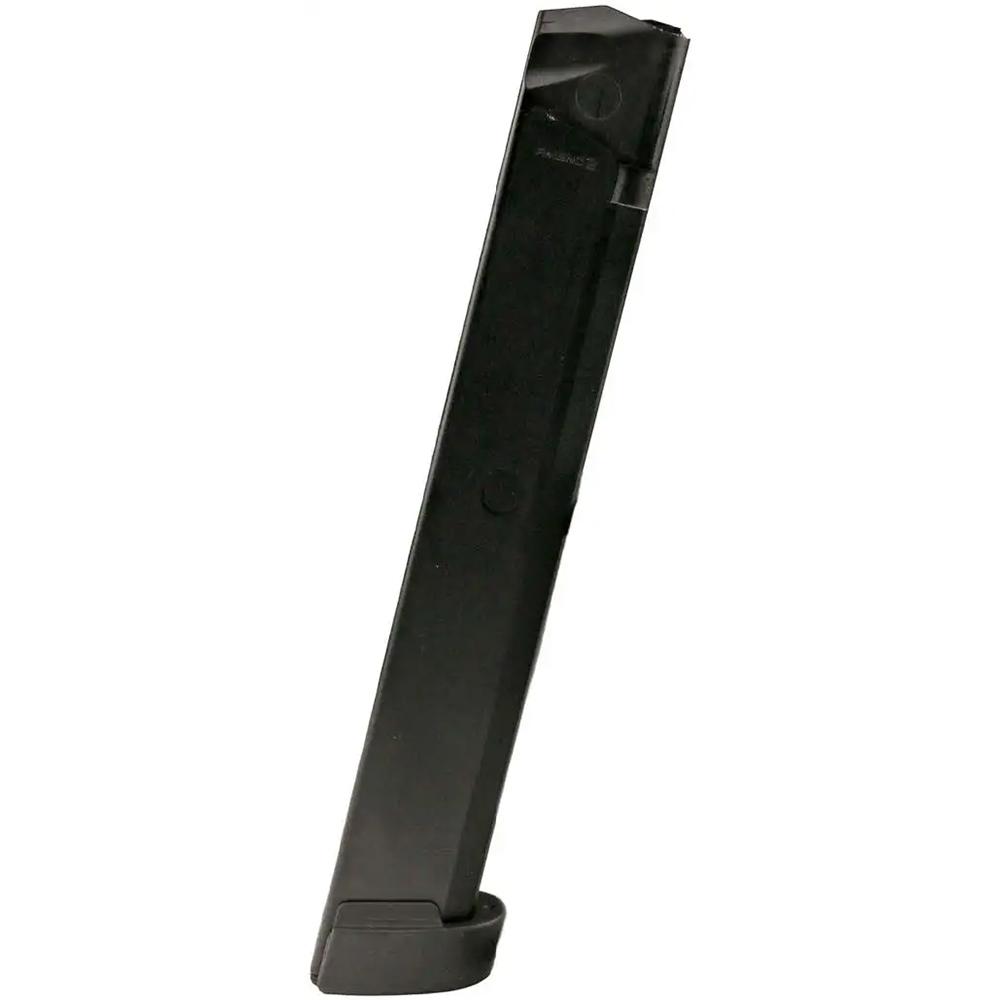
Glock-pattern magazines remain a common request, so we stock options that support that ecosystem, along with mags for other popular handguns. The same logic applies across platforms. Match the magazine to the exact pistol model, confirm caliber, then choose capacity that aligns with your purpose and local rules. A compact pistol often benefits from a flush-fit mag for comfort, paired with a longer spare that offers extra rounds and a fuller grip surface.
AR-pattern rifles place heavy demand on magazines during high round counts and fast reloads. Feed lip geometry and spring strength matter, yet insertion and drop-free behavior matter just as much in practical use. Polymer AR mags can perform exceptionally well when the design supports the feed lips and the body stays rigid under load. Metal options stay popular for their long record and predictable fit across lowers.
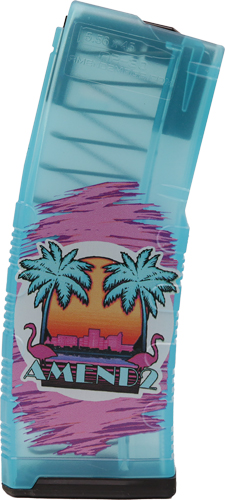
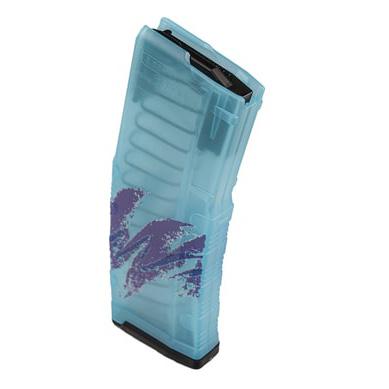
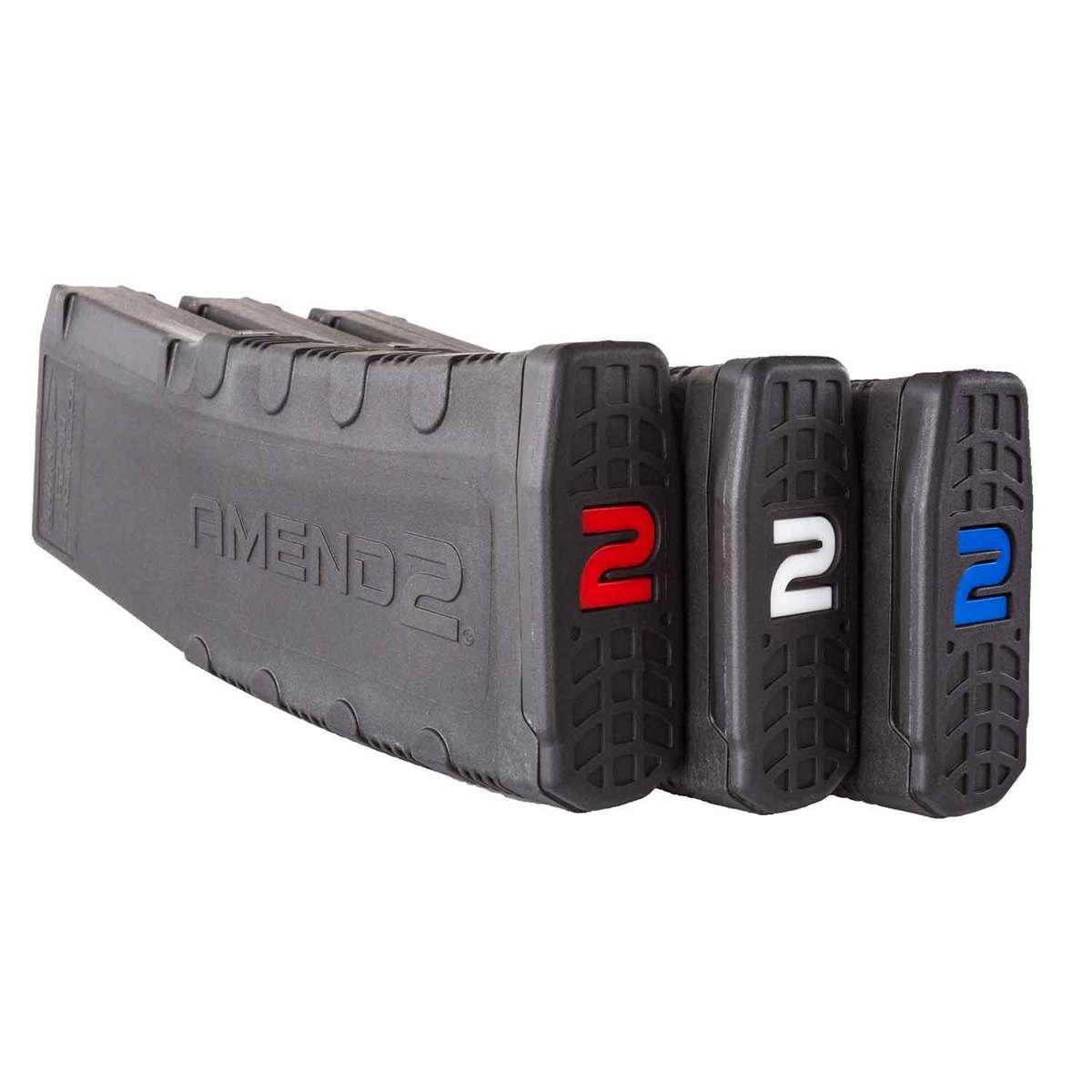
Amend2 AR-15 magazines serve shooters who want a straightforward, proven option for training, defensive setups, or range days. Capacity choices tend to fall into a few patterns. Standard-capacity mags support general use, shorter mags help with prone shooting or bench work, and higher-capacity formats suit niche applications where extra rounds reduce reload frequency. We help customers choose based on how the rifle gets used, not on marketing claims.
AK platforms use a rock-and-lock insertion method that places different stress on the magazine body and locking lugs. Fit at the front trunnion and rear latch determines how solid the mag feels once seated. Feed angle is another major factor, since the AK design relies on a controlled presentation into the chamber. Quality magazines support that angle without flex, which helps avoid inconsistent feeding.
AB Arms magazines come up often among AK owners who want a dependable option with modern materials. For many AK shooters, the best approach is variety. A few proven mags for serious use, plus dedicated range mags for drills, tends to keep costs sensible and reliability high. We focus on correct fit first, since AK mag compatibility can vary more than people expect across imports and build kits.
Rifle magazines cover more than AR and AK patterns. Bolt-action rifles, lever guns with detachable formats, and precision setups often use proprietary designs. Many of those magazines hold fewer rounds by design, with tight tolerances that support consistent feeding under slower cycling. A precision rifle can suffer accuracy issues if a magazine introduces drag on the action or presses on the underside of the bolt in an inconsistent way.
Selection starts with the rifle model and the action type. After that, capacity becomes a practical question tied to the use case, such as hunting regulations, match rules, or the demands of a range day. Durability matters here too. Feed lip integrity and latch engagement matter more than aggressive styling or oversized baseplates.
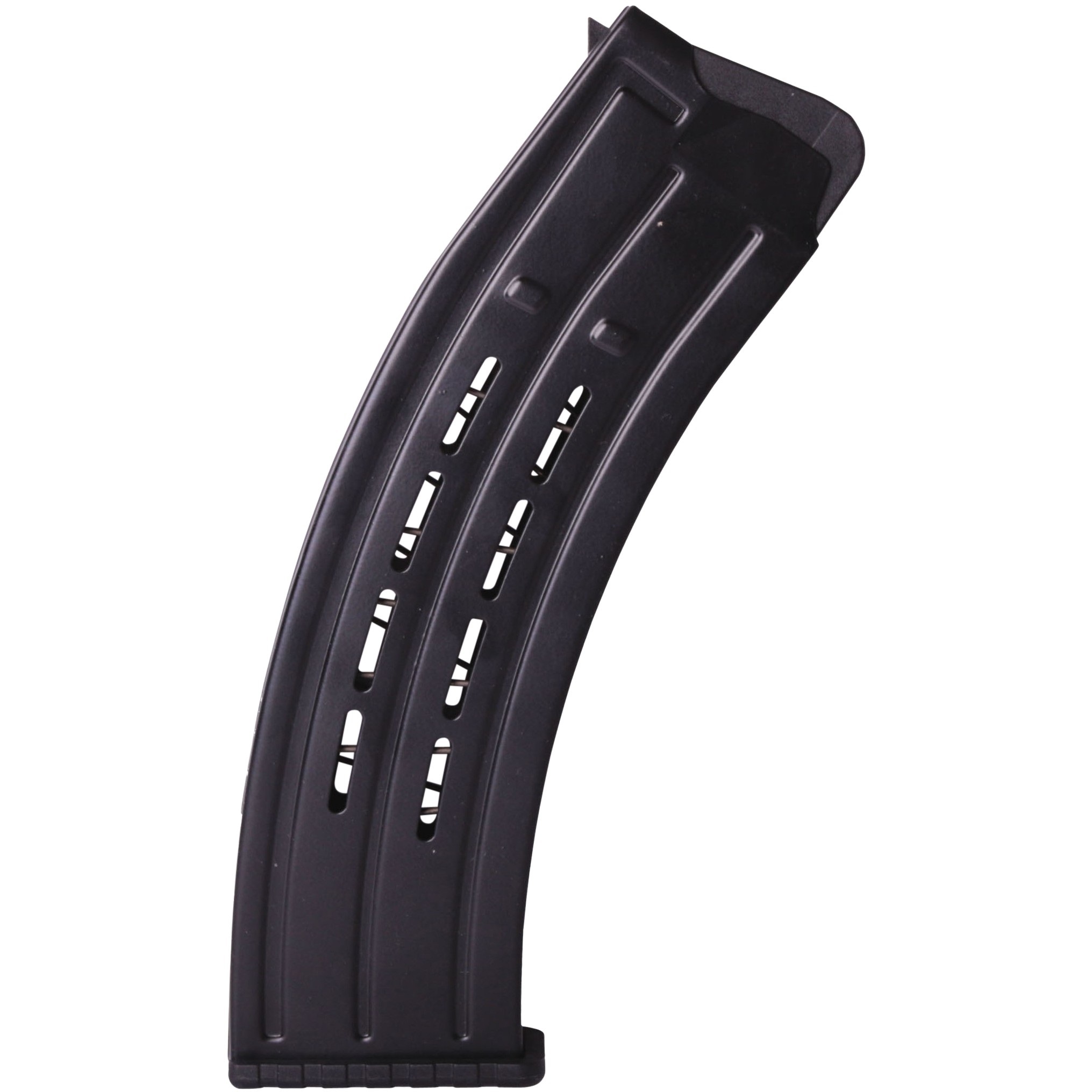
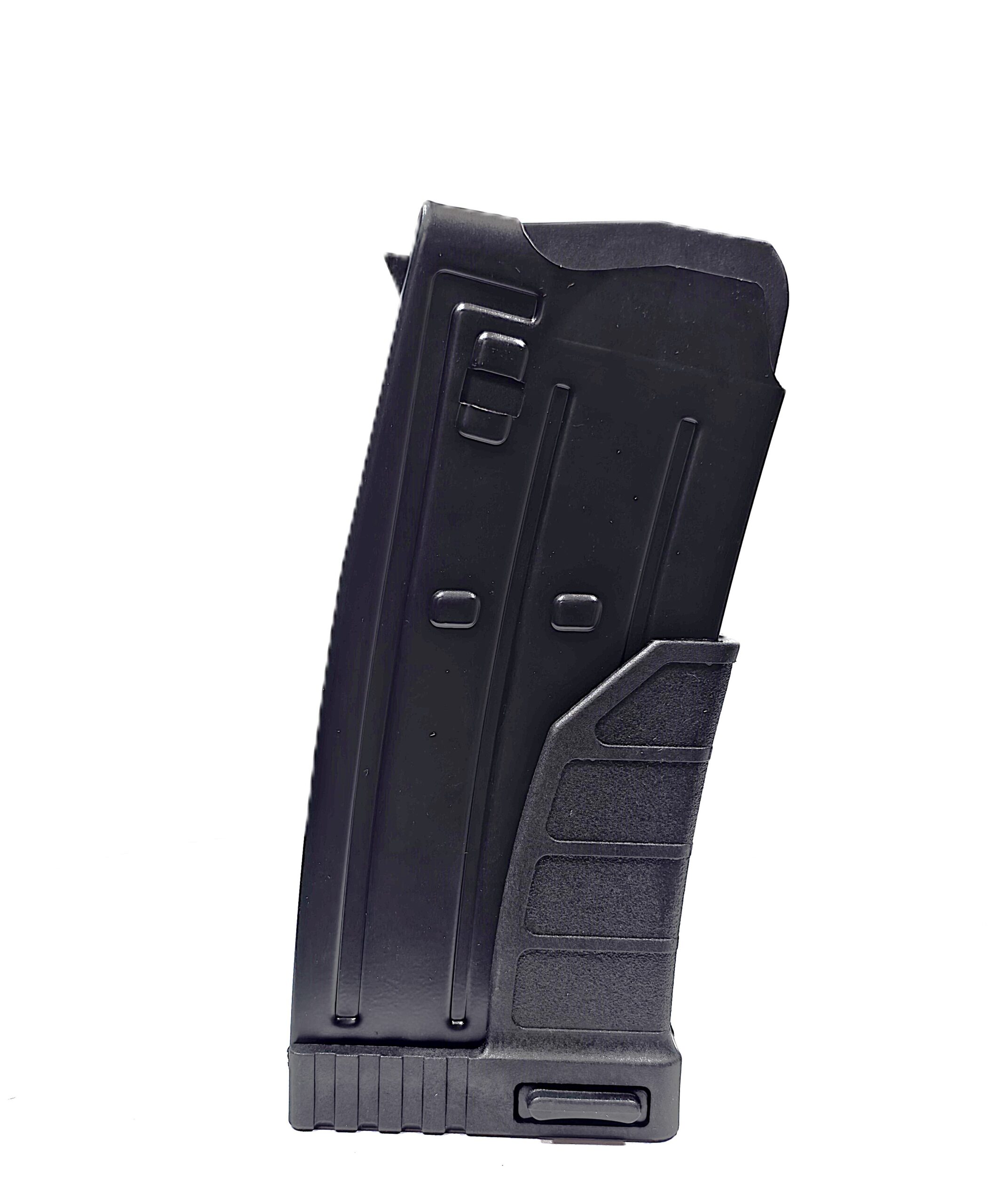
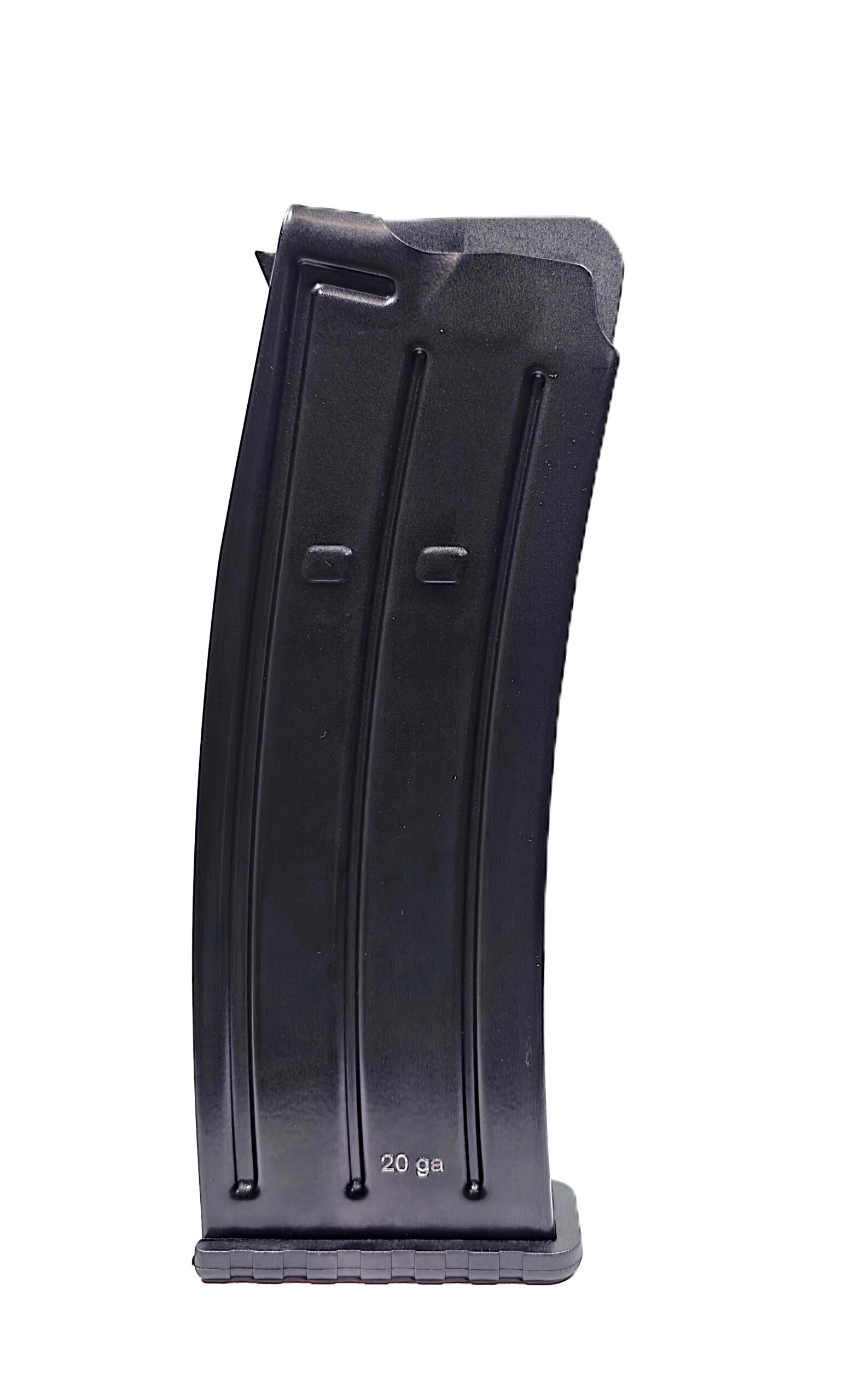
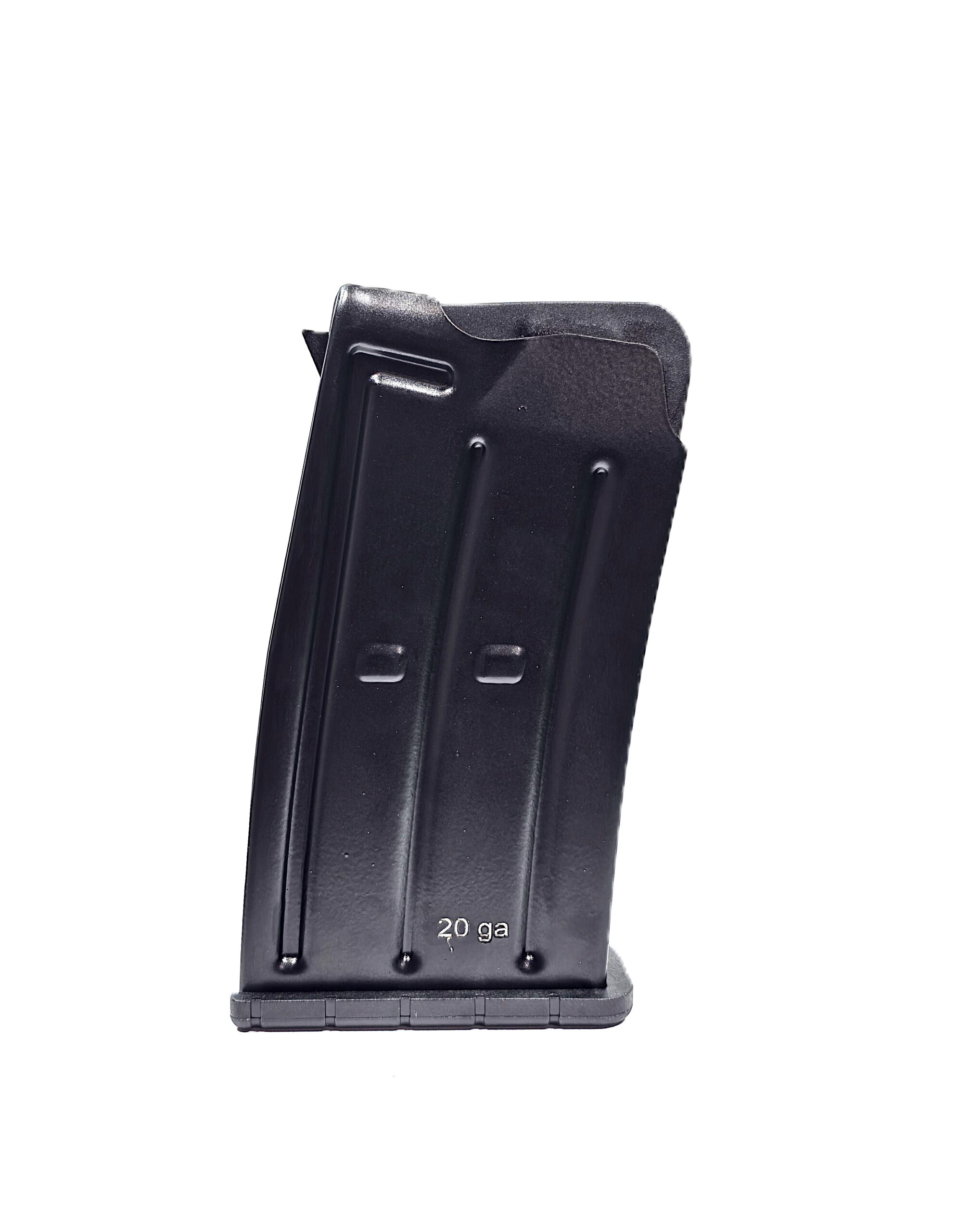
Magazine-fed shotguns need mags that control shell position and feed angle with precision. Shell length can shift performance, so the magazine must match the chambering and the shells you plan to run most often. A mag that feeds 2 3/4-inch shells reliably may behave differently with 3-inch loads, depending on the firearm design.
Consistency depends on spring tension and follower movement, with extra attention paid to internal geometry that keeps shells aligned. Owners of magazine-fed shotguns often keep multiple mags ready for range use, then rotate them to spread wear. That habit keeps performance stable and reduces surprises in the middle of a string.
Magazines perform best when paired with the right support gear. Loaders reduce thumb strain, baseplates aid grip and seating, and pouches keep mags protected between strings. Smart accessory choices can add efficiency without adding complexity.
These are the main components of magazine support gear.
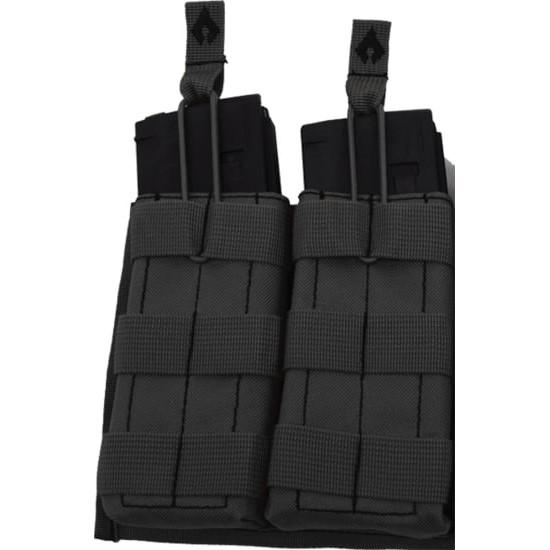
Loaders help speed up prep time, especially for high-volume range days. Baseplates and extensions can improve handling and seating in some setups, depending on firearm and rules. Followers and replacement parts can restore function for mags that see heavy use. Pouches and carriers keep magazines protected and organized, which matters during training or competition.
Accessory selection works best when it starts with your platform and your routine. A concealed-carry setup benefits from low-profile choices that stay comfortable. A match rig may favor faster access and consistent indexing. A field setup tends to prioritize protection from dirt and impacts. We help narrow the options so your gear supports your habits rather than fighting them.
Magazines and ammunition interact more than most people realize. Case shape, bullet profile, and overall cartridge length can affect feeding, even when the magazine and firearm match perfectly. Pairing the right ammo with the right magazine improves reliability and keeps practice sessions productive.
Here are the key factors that influence ammo pairing.
Handgun mags tend to feed best with ammo that matches the profile the firearm was designed around. Flat-nose rounds, hollow points, and FMJ can behave differently across feed ramps and magazine lips. Consistent ammo helps reduce variability during training, which makes it easier to isolate magazine issues if they appear.
A carry pistol benefits from testing with the same defensive load you plan to rely on. Range ammo can run flawlessly and still leave questions unanswered. Confirming function with your carry load builds confidence in both the firearm and the magazines you keep in rotation.
Rifle mags, especially AR formats, can show sensitivity to cartridge overall length and bullet shape. Quality magazines help, yet ammo choice still matters. Consistent brass and reliable loads reduce feeding friction and support steady cycling. Match-style loads can introduce different profiles than bulk FMJ, so testing stays wise when you change ammo types.
For bolt guns, magazine fit and ammo consistency support smooth feeding during slower cycling. A magazine that presents rounds at a stable angle keeps the bolt stroke clean and predictable.
Rimfire magazines rely on controlled stacking, and rim lock can occur when rounds shift out of alignment. Consistent rimfire ammo and careful loading habits reduce that risk. Clean magazines matter here, since small debris can slow followers and create feeding issues that look like ammo problems.
A rimfire setup often sees high round counts, so magazine maintenance pays off quickly. Keeping a few dependable mags and cycling them through range use keeps performance steady.
Shell length and hull design can influence how a magazine-fed shotgun cycles. A shotgun may prefer one brand or load style over another, even with the same stated length. Testing a few reliable loads helps identify what runs best in your firearm and magazines.
For tube-fed shotguns, magazine tubes and springs still matter, yet the magazine component differs from detachable mags. For magazine-fed designs, the detachable mag becomes the control point, so shell fit and feed angle take on extra weight.
Specialty items such as snap caps and dummy rounds can support dry practice and function checks. Training tools help confirm magazine seating, cycling, and ejection patterns without live fire. For many owners, those tools serve as a low-risk way to confirm basic operation after changes to magazines or accessories.
Using the correct training rounds for your caliber keeps practice safe and consistent. That habit supports better handling and reduces the chance of mixing incompatible items on the bench.
A magazine does not exist in isolation. Firearm design, recoil system, and sighting setup all influence how a shooter experiences reliability. We stock firearms and optics that pair well with the magazines we carry, so customers can build complete setups with fewer compatibility surprises.
These are the main components that round out a practical build.
Handguns drive the largest variety of magazine patterns in the market. Model selection shapes magazine availability, cost, and long-term support. Many buyers prioritize platforms with strong magazine ecosystems, then choose magazines that match their use, carry, competition, or collection. A pistol that runs well with a small set of proven magazines tends to earn trust fast.
Rifles span a wide range, from AR platforms to bolt-action hunting rigs. Magazine type follows the rifle, with detachable box mags common in modern designs. We help match rifle choice and magazine pattern so you can keep spares that fit, feed, and hold up through real use.
Shotgun owners may use tube systems, detachable mags, or hybrid designs depending on the model. Magazine-fed shotguns place a heavy emphasis on magazine fit and shell compatibility. Tube-fed models place more emphasis on springs and maintenance in the tube system. Either way, a dependable feed system supports confidence during practice and field use.
Optics do not change magazine function, yet they change how we evaluate a firearm during live fire. A clear sight picture makes it easier to spot pattern issues, timing problems, and feeding interruptions. Red dots and rifle scopes help confirm performance during drills, which helps separate shooter inputs from gear problems.
Our goal stays the same across every platform. We keep magazines that fit correctly, feed reliably, and support the way you shoot, with supporting ammo, firearms, and optics that make the whole system work as a unit.
We carry dependable options such as an 11-round .40 S&W magazine, an AB Arms magazine, an Amend2 AR-15 magazine, and an Amend2 Glock handgun magazine. That mix covers common rifle and pistol platforms.
Yes. Amend2 AR-15 magazines are part of our magazine selection for popular AR builds.
Yes. We carry Amend2 Glock handgun magazine options that fit widely used Glock-pattern pistols.
Yes. Magazines are available at our gun store in Idalou, Texas for local pickup.
Yes. Online orders can ship nationwide, so you can shop from outside our local area.
Our inventory includes handgun ammunition, rifle ammunition, rimfire ammunition, shotgun shells, and other ammunition. That coverage helps keep a range of firearms ready for use.
A diverse selection of rifles, handguns, shotguns, and optics is available in our shop. Those categories support different shooting needs, from field use to range sessions.
Match the magazine to the platform and cartridge, such as AR-15, Glock handgun, or .40 S&W. The examples we stock, like 11-round .40 S&W, AB Arms, and Amend2 options, help narrow the correct fit.