
Loading ...

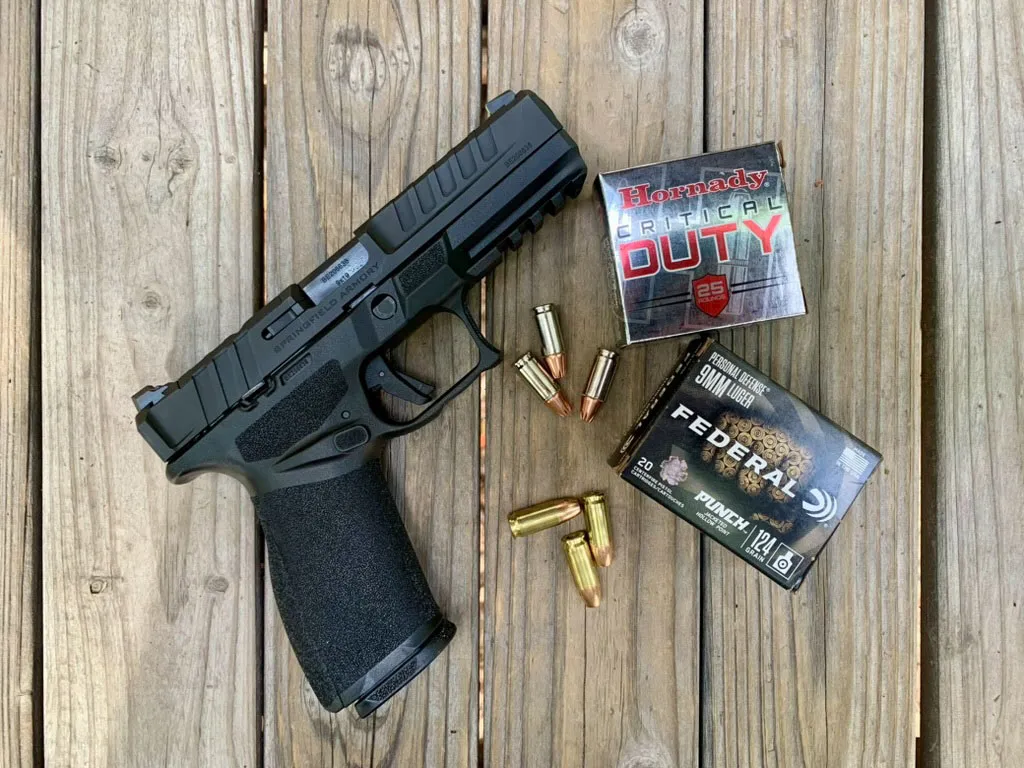
Ammunition selection shapes accuracy, recoil, reliability, and safety. Many firearm owners focus on the firearm itself while overlooking ammunition, even though the wrong choice can limit performance or introduce unnecessary risk.
This guide explains ammunition fundamentals in clear terms, covering calibers, grain weight, and common use cases so you can make informed decisions with confidence.
Ammunition is more than a cartridge that fits your firearm. Each round combines multiple elements that work together to determine how it performs once fired.
Every choice affects:
Understanding these factors helps you choose ammunition that supports your specific purpose instead of relying on guesswork or marketing claims.
Before discussing calibers and grains, it helps to understand what makes up a round.
The cartridge case holds all components together. It can be made from brass, steel, aluminum, or polymer. Brass remains the most common choice due to reliability and reloadability.
The primer ignites the powder when struck by the firing pin. Different primers exist for handgun, rifle, and shotgun ammunition, and they are not interchangeable.
Powder creates the expanding gas that propels the bullet down the barrel. Powder type and amount influence velocity and recoil.
The projectile is what exits the barrel. Bullet shape, material, and weight define how it behaves on impact.
Caliber refers to the diameter of the bullet and the barrel it travels through. It is commonly measured in inches or millimeters.
Examples include:
Ammunition must match the caliber marked on your firearm exactly. Using the wrong caliber can damage the firearm or cause serious injury.
Handgun calibers balance recoil, capacity, and control.
Popular options include:
Each serves different preferences and training styles.
Rifle calibers vary widely based on distance, purpose, and power.
Common examples include:
Rifle caliber choice should match your firearm platform and intended use.
Shotguns use gauge instead of caliber, with lower numbers indicating larger bore size.
Common gauges include:
Gauge selection affects recoil, payload size, and range.
Grain weight refers to the mass of the bullet. One grain equals 1/7000 of a pound.
Grain weight influences:
Heavier bullets typically travel slower but penetrate deeper. Lighter bullets move faster with flatter trajectories.
| Grain Weight | Typical Traits | Common Uses |
|---|---|---|
| Light | Higher velocity, less drop | Target shooting, training |
| Medium | Balanced performance | General-purpose use |
| Heavy | Deeper penetration, more recoil | Duty, hunting, defense |
There is no universal best grain weight. The right choice depends on firearm design and intended role.
Bullet construction matters as much as caliber and grain weight.
FMJ rounds have a lead core covered by a harder metal jacket.
Characteristics:
FMJ ammunition is commonly used for training and range sessions.
JHP rounds are designed to expand upon impact.
Characteristics:
These are commonly chosen for defensive purposes.
Soft point bullets expose lead at the tip.
Characteristics:
Frangible rounds break apart on impact with hard surfaces.
Characteristics:
For training, reliability and affordability matter most.
Common choices include:
Training ammunition should match your defensive or duty ammunition closely in recoil and point of impact.
Defensive ammunition prioritizes control and predictable performance.
Key factors include:
Testing defensive ammunition at the range builds familiarity and confidence.
Hunting ammunition is designed for ethical and effective results.
Considerations include:
Bullet construction matters more than raw velocity for humane outcomes.
Competition ammunition focuses on consistency and recoil management.
Traits often include:
Consistency shot to shot supports accuracy and speed.
Some ammunition is loaded to higher pressure levels.
Examples include:
Higher pressure increases velocity but also recoil and wear. Only use ammunition rated safe for your firearm.
Check the manufacturer’s guidance before using higher-pressure loads.
Proper storage keeps ammunition reliable for years.
Best practices include:
Well-stored ammunition remains functional long-term.
Thoughtful selection reduces risk and improves performance.
Ammunition choice shapes how your firearm performs in real-world conditions. Understanding calibers, grain weight, and bullet design helps you choose rounds that match your purpose and skill level.
Consistency, safety, and familiarity matter more than trends or assumptions. When ammunition supports your firearm and training habits, confidence follows.
A firearm fires the round, but ammunition defines the result.